Kenya Highland Destination

Mount Kenya Safaris & Adventures

Explore Africa’s second highest peak and the region around it: alpine landscapes, mountain forests, wildlife, luxury lodges and hiking trails from gentle day walks to the summit. Let us help you find the experience that suits you.

Africa’s second highest peak · UNESCO listed · Trekking, wildlife & luxury lodges · Central Kenya

Height5,199 m (Batian)
StatusUNESCO World Heritage
Best Known ForTrekking, scenery & wildlife
Closest TownNanyuki
Main RoutesSirimon, Chogoria, Naro Moru
Typical Visit2 to 6 days
Best MonthsJan to Mar, Jun to Oct
Trekking SummitPoint Lenana 4,985 m

Why Visit Mount Kenya

Most safari companies treat Mount Kenya as a climbing page or ignore it entirely. We see it differently. This is a whole region to experience, with the summit as just one option among many, and it rewards trekkers, wildlife lovers and lodge guests alike.

  • Dramatic mountain scenery and UNESCO-listed ecosystems
  • Rare afro-alpine vegetation found in very few places on earth
  • Wildlife including elephants, buffalo, monkeys and endemic birds
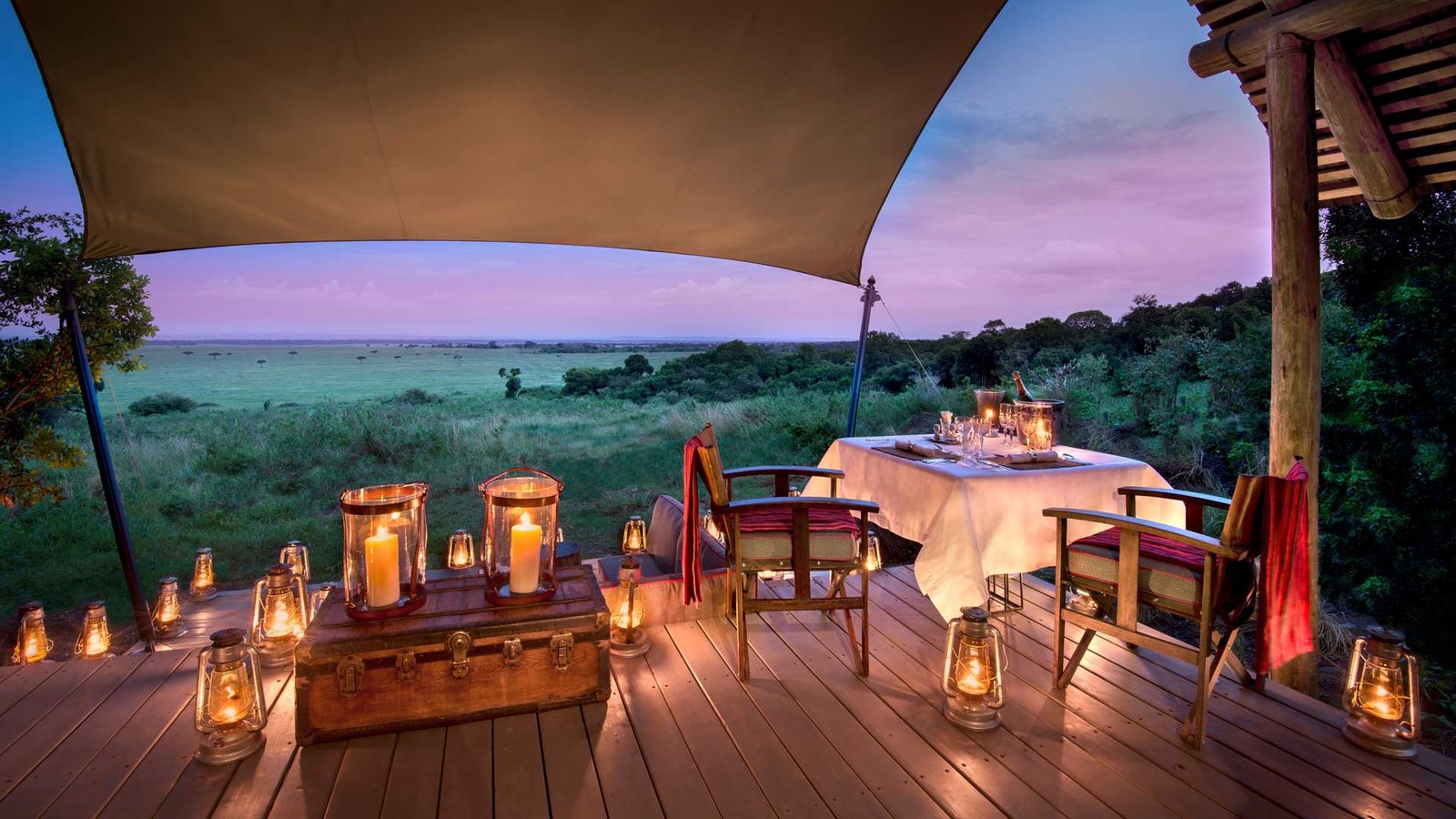
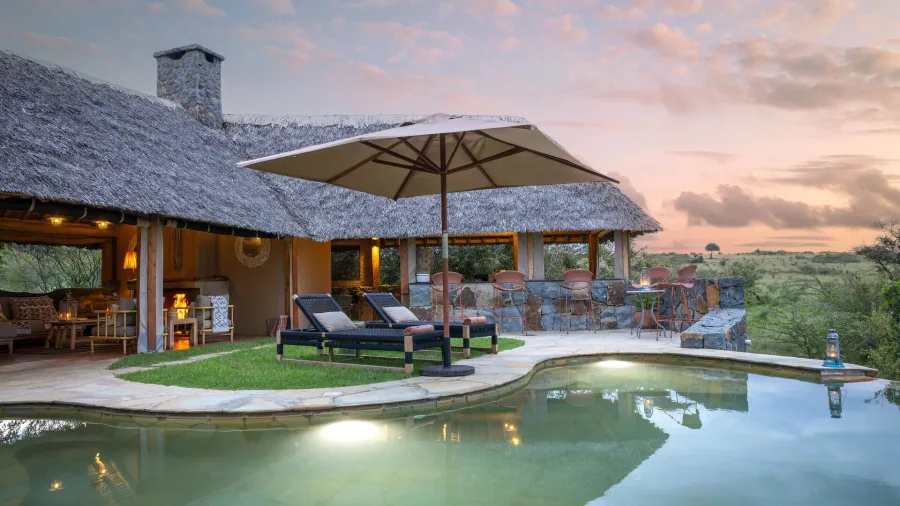
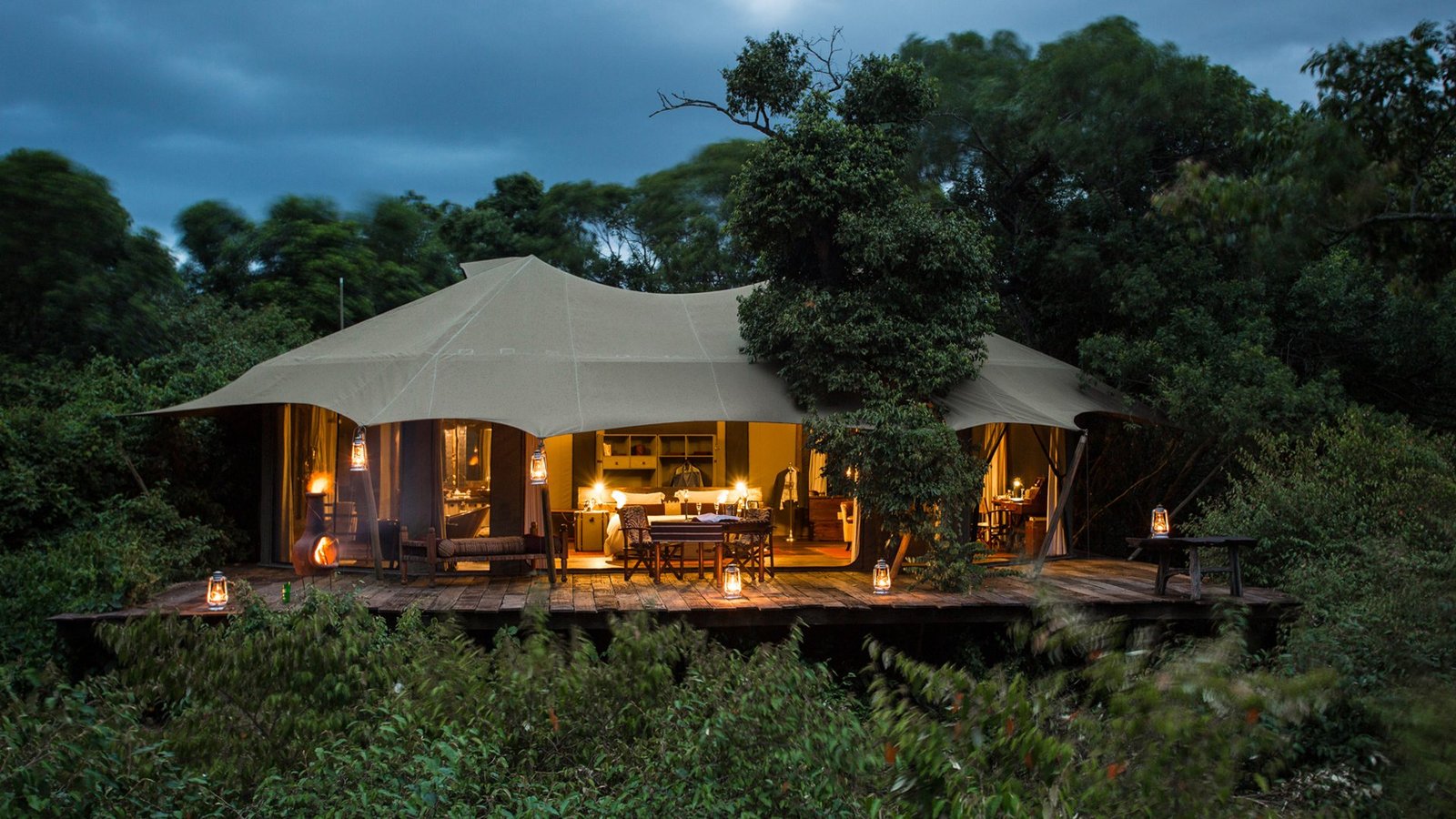
  • Luxury safari lodges with mountain views and forest walks
  • Trout fishing, horse riding, mountain biking and farm experiences near Nanyuki
  • Trails for every level, from gentle day hikes to the summit
  • Easy to combine with Ol Pejeta, Laikipia, Samburu and the Aberdares
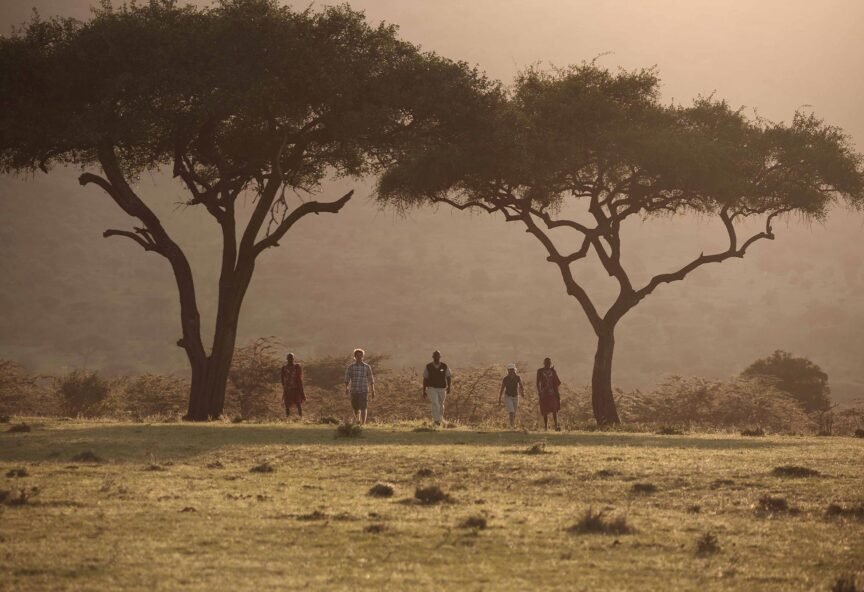
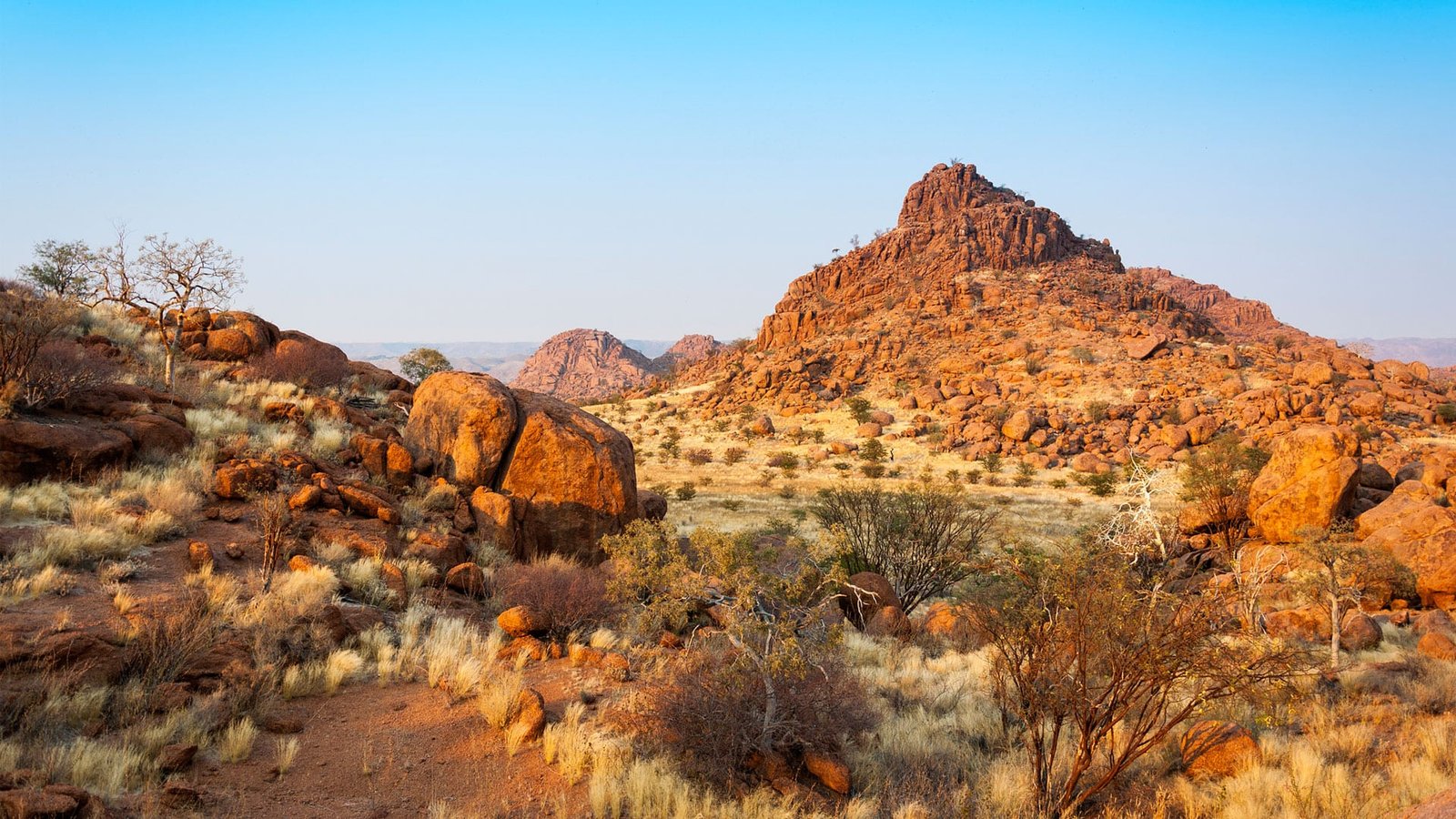
Mount Kenya highland scenery

Mount Kenya at a Glance

A quick read on what the region does best. These are indicative ratings from our guides’ experience to help you gauge fit, not fixed scores.

Hiking & trekking★★★★★
Wildlife★★★★
Photography★★★★★
Luxury lodges★★★★★
Families★★★★
Adventure★★★★★
Birdwatching★★★★★
Accessibility★★★★

Is Mount Kenya Right for You?

Tell us a little about how you like to travel and we will point you toward the kind of Mount Kenya trip that tends to suit travellers like you. It is a guide to start the conversation, not a fixed rule.

Pick as many as you like, then choose Show my match.

The Different Ways to Experience Mount Kenya

This is where Mount Kenya opens up. The mountain is not one trip but many, so we start by finding which of these suits you.

Summit Expeditions

Summit Expeditions

Point Lenana at 4,985 metres is the trekking summit, reachable by fit walkers with no technical skill. The true peaks, Batian and Nelion, are technical alpine climbs for experienced mountaineers only. We match the route and itinerary length to your goal and fitness.

Day Hikes

Day Hikes

Ideal for travellers with limited time who still want genuine mountain scenery. Guided day walks in the forest and lower moorland deliver the atmosphere, wildlife and views without an overnight ascent.

Luxury Mountain Escape

Luxury Mountain Escape

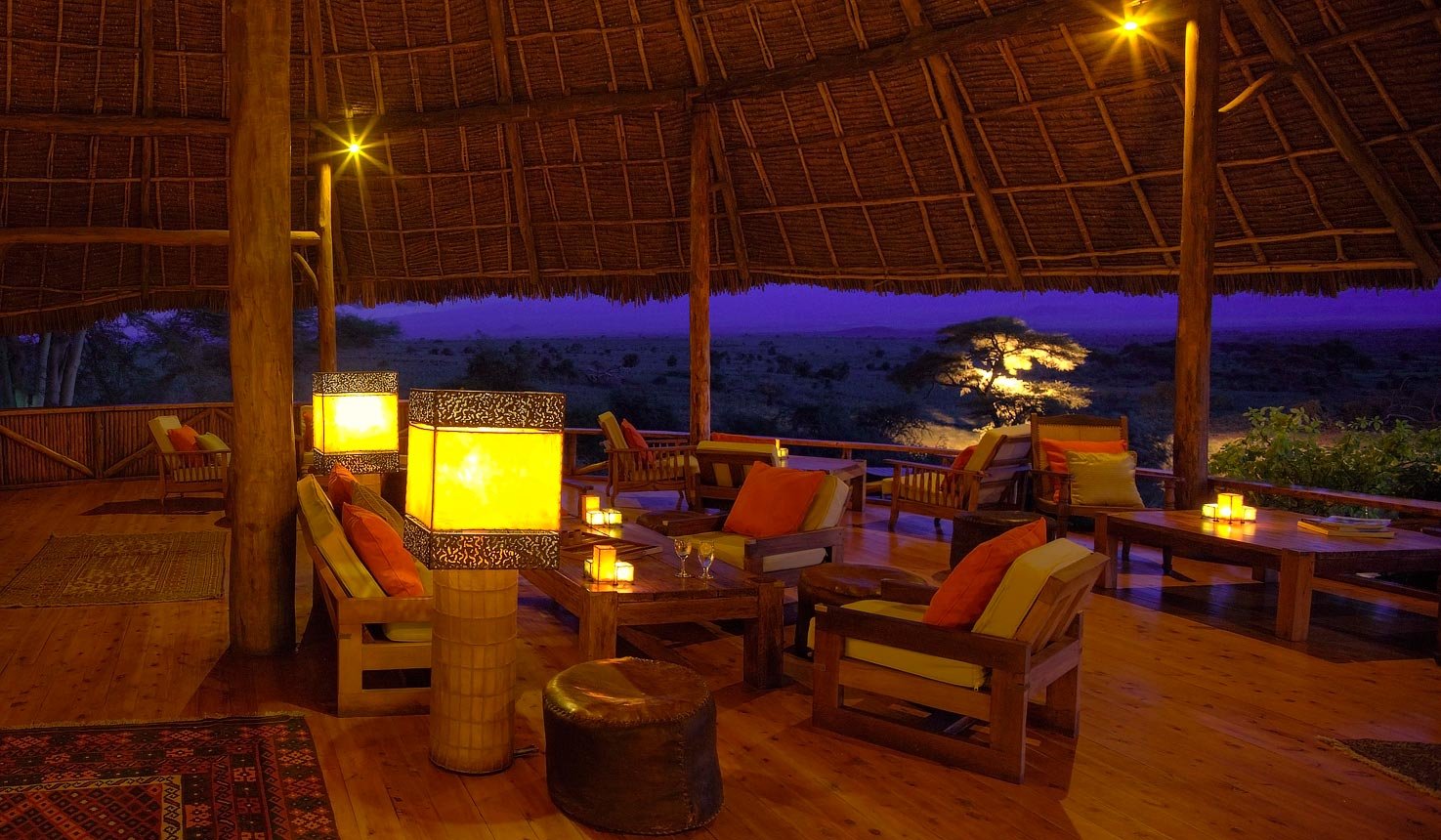
Forest and mountain lodges, wellness, log fires and long views, with no trekking required. A relaxed way to experience the region’s scenery and wildlife in comfort.

Wildlife Safaris

Wildlife Safaris

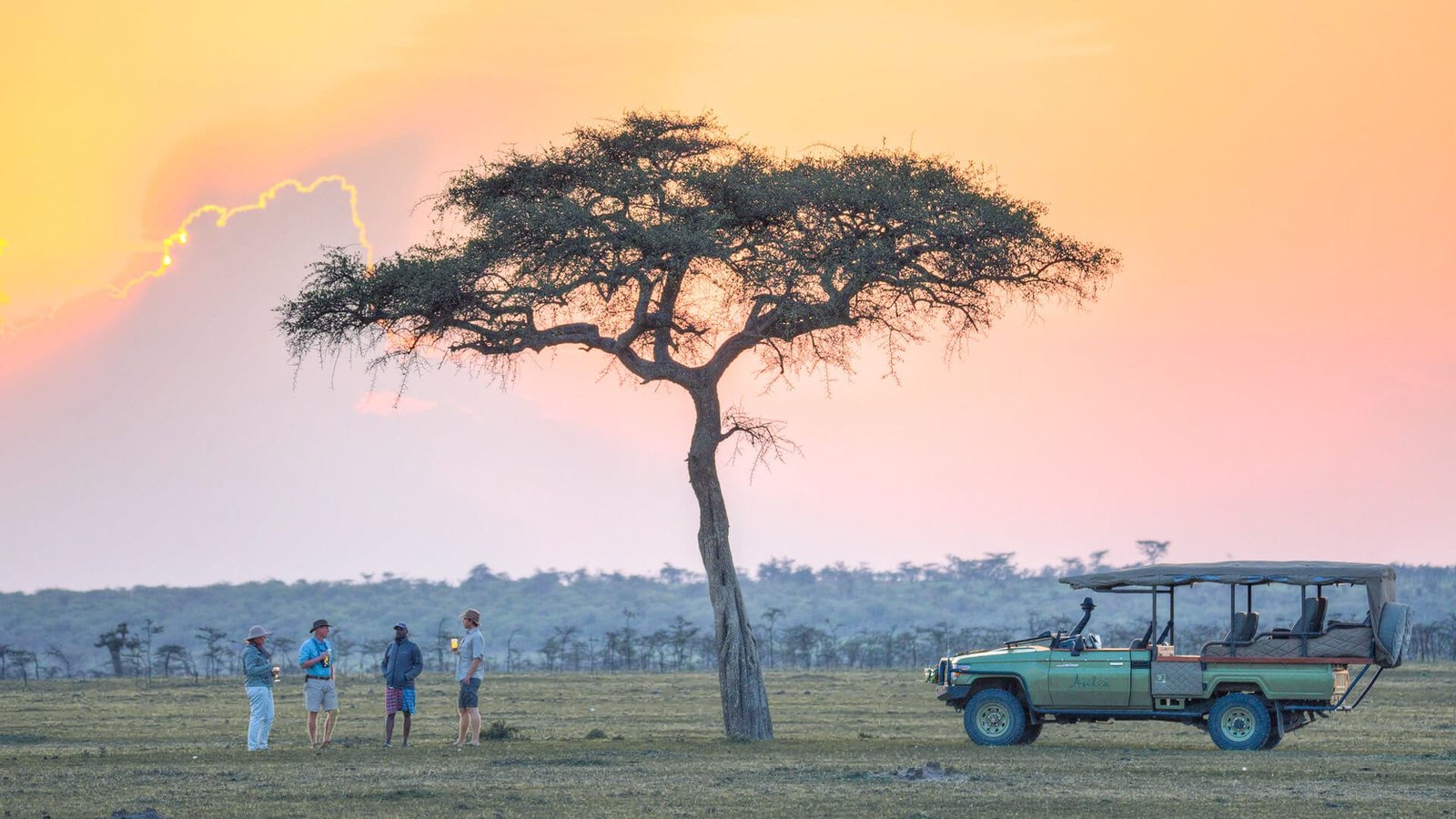
The surrounding national park, forest and nearby conservancies hold elephants, buffalo, monkeys and rich birdlife. A rewarding side of Mount Kenya that many visitors overlook.

Family Adventures

Family Adventures

Gentle forest walks, nature activities and family-friendly lodges make the lower region a wonderful introduction to the mountains for children, easily paired with a wider family safari.

The Main Routes Compared

Three routes lead to Point Lenana, each with its own character. The right one depends on your time, fitness and how much you value scenery over speed.

RouteDaysDifficultySceneryBest For
Sirimon4 to 5Moderate★★★★★First-time trekkers
Chogoria4 to 6Moderate★★★★★Scenic landscapes
Naro Moru3 to 4Moderate to challenging★★★★A faster ascent

Sirimon offers a steady, popular ascent, Chogoria is widely regarded as the most beautiful, and Naro Moru is the quickest but steeper. Many treks ascend one route and descend another.

Wildlife Around Mount Kenya

The mountain’s forest and moorland belts hold more life than most visitors expect. Here is what you may encounter, and a realistic sense of where and how likely.

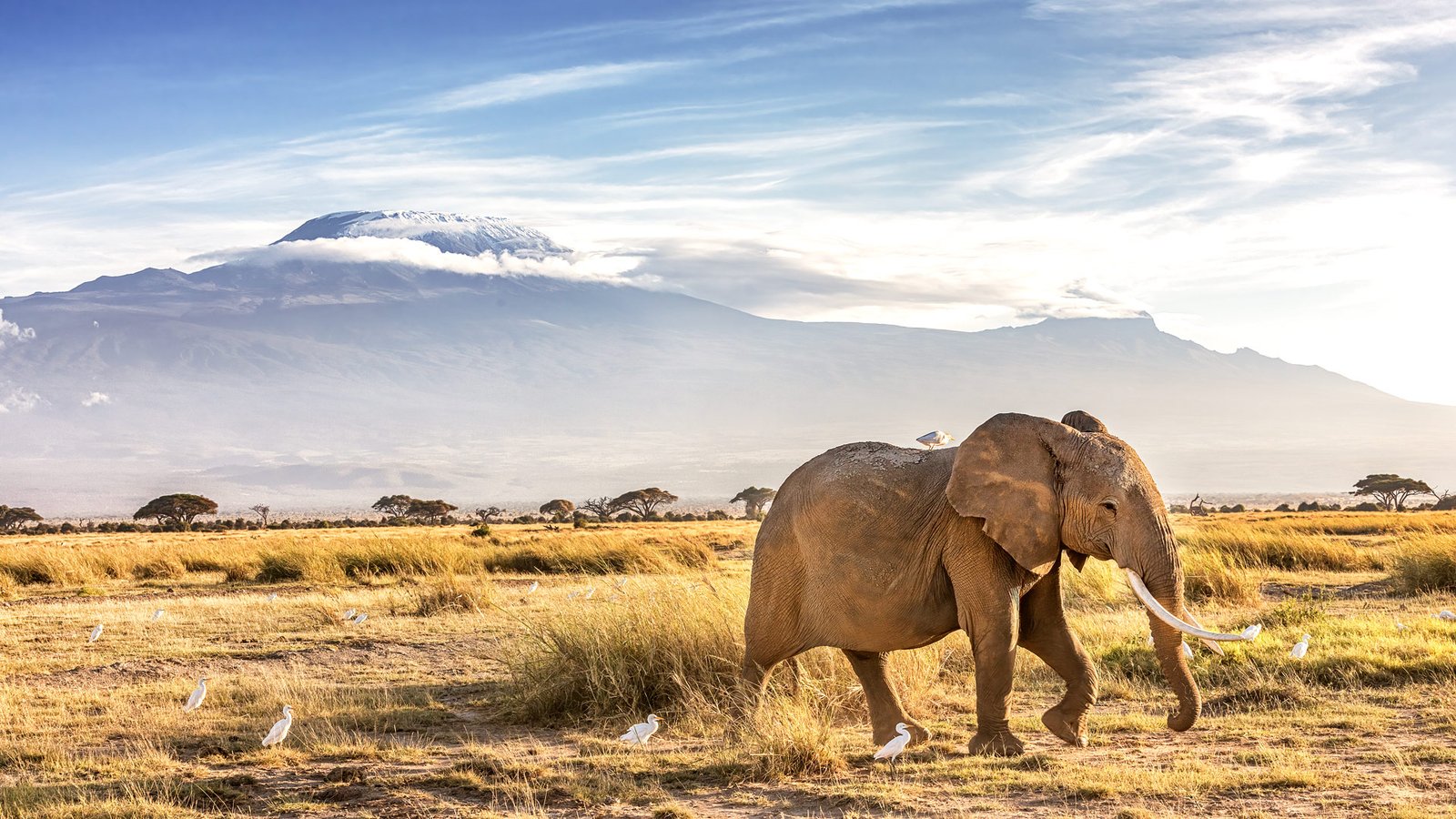
Elephants around Mount Kenya

Elephants

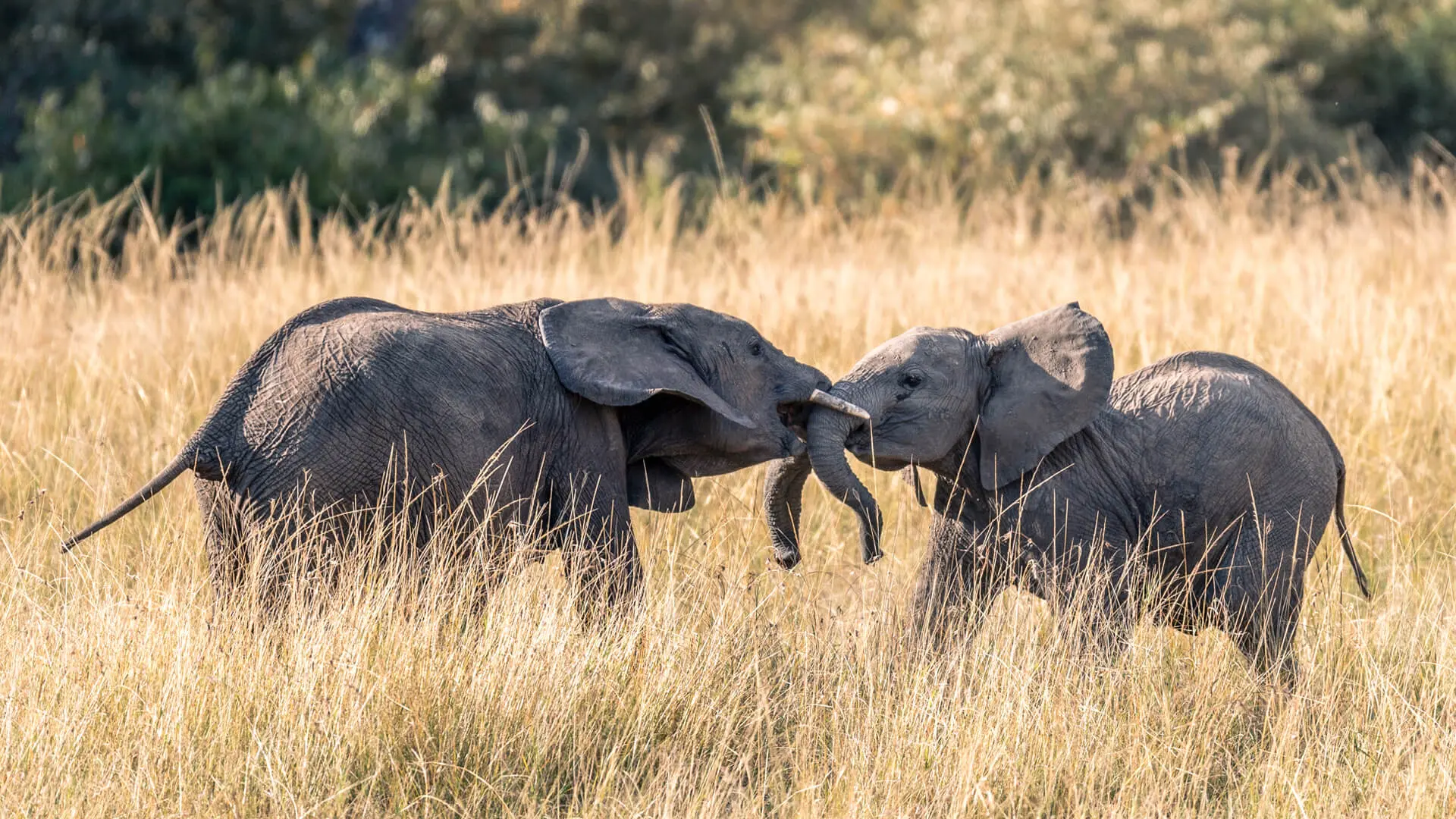
Forest elephants move through the lower slopes and surrounding conservancies, often seen in the woodland belt and on the plains around the mountain rather than high on the trails.

Buffalo around Mount Kenya

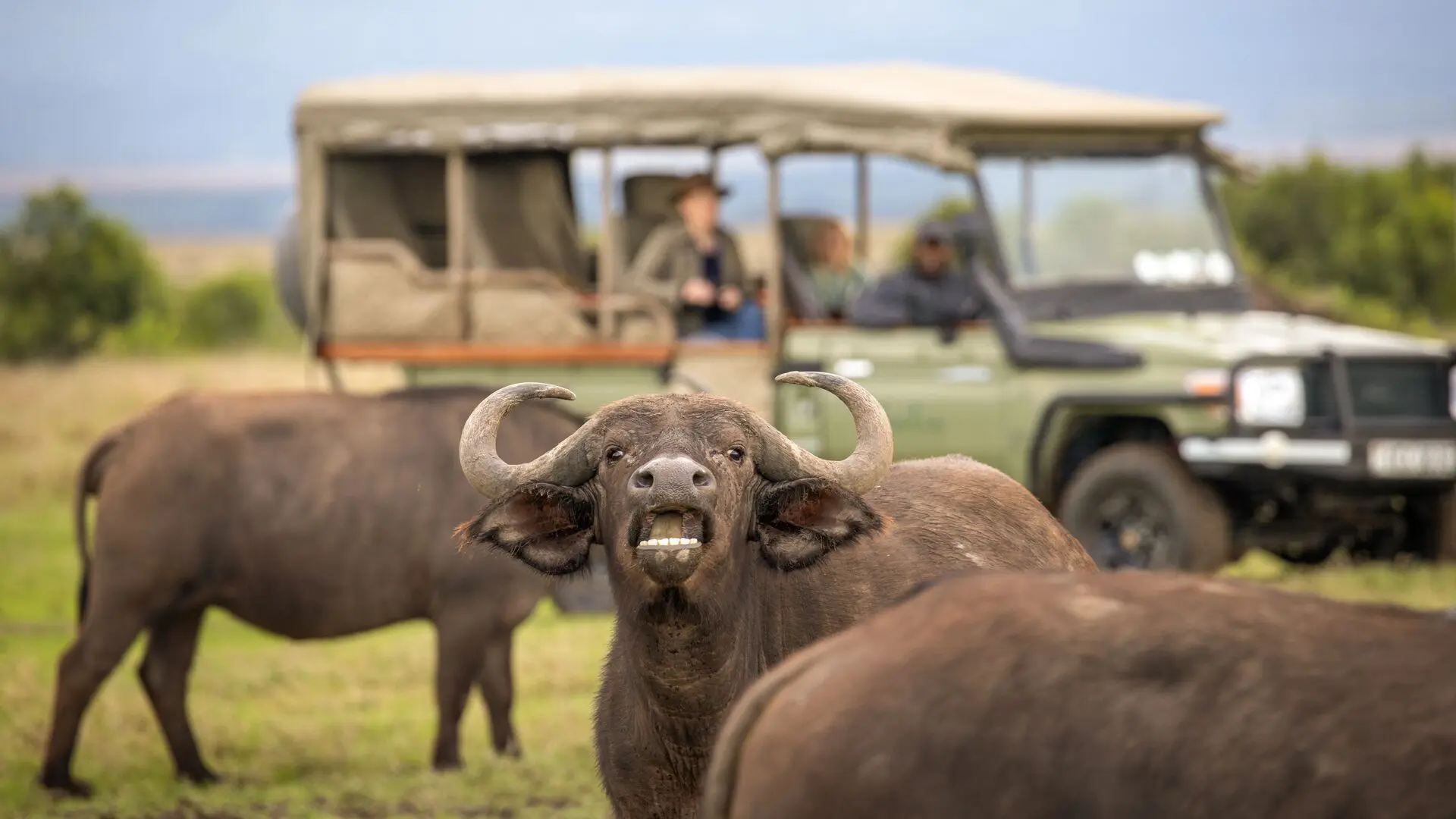
Buffalo

Buffalo are common in the forest and moorland zones. They are best watched from a respectful distance, and our guides know where encounters are most likely and how to handle them safely.

Colobus Monkeys & Forest Life around Mount Kenya

Colobus Monkeys & Forest Life

Striking black-and-white colobus monkeys move through the canopy, alongside bushbuck and other forest dwellers. The lower forest is the richest zone for these sightings.

Hyraxes & Giant Forest Hogs around Mount Kenya

Hyraxes & Giant Forest Hogs

Rock hyraxes are a familiar sight around lodges and camps, while the elusive giant forest hog roams the deeper forest. Patience and an early start improve your chances.

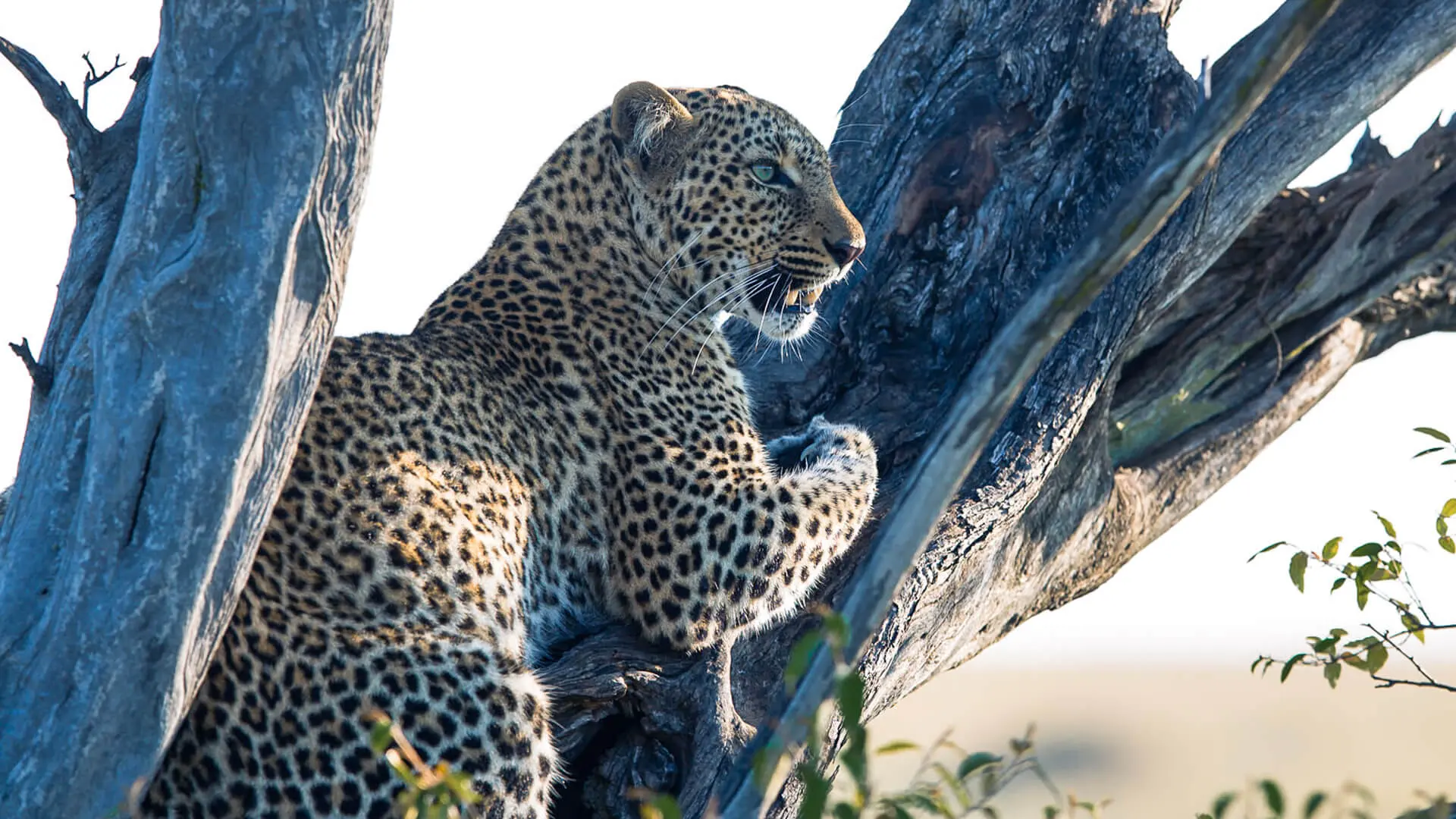
Leopards around Mount Kenya

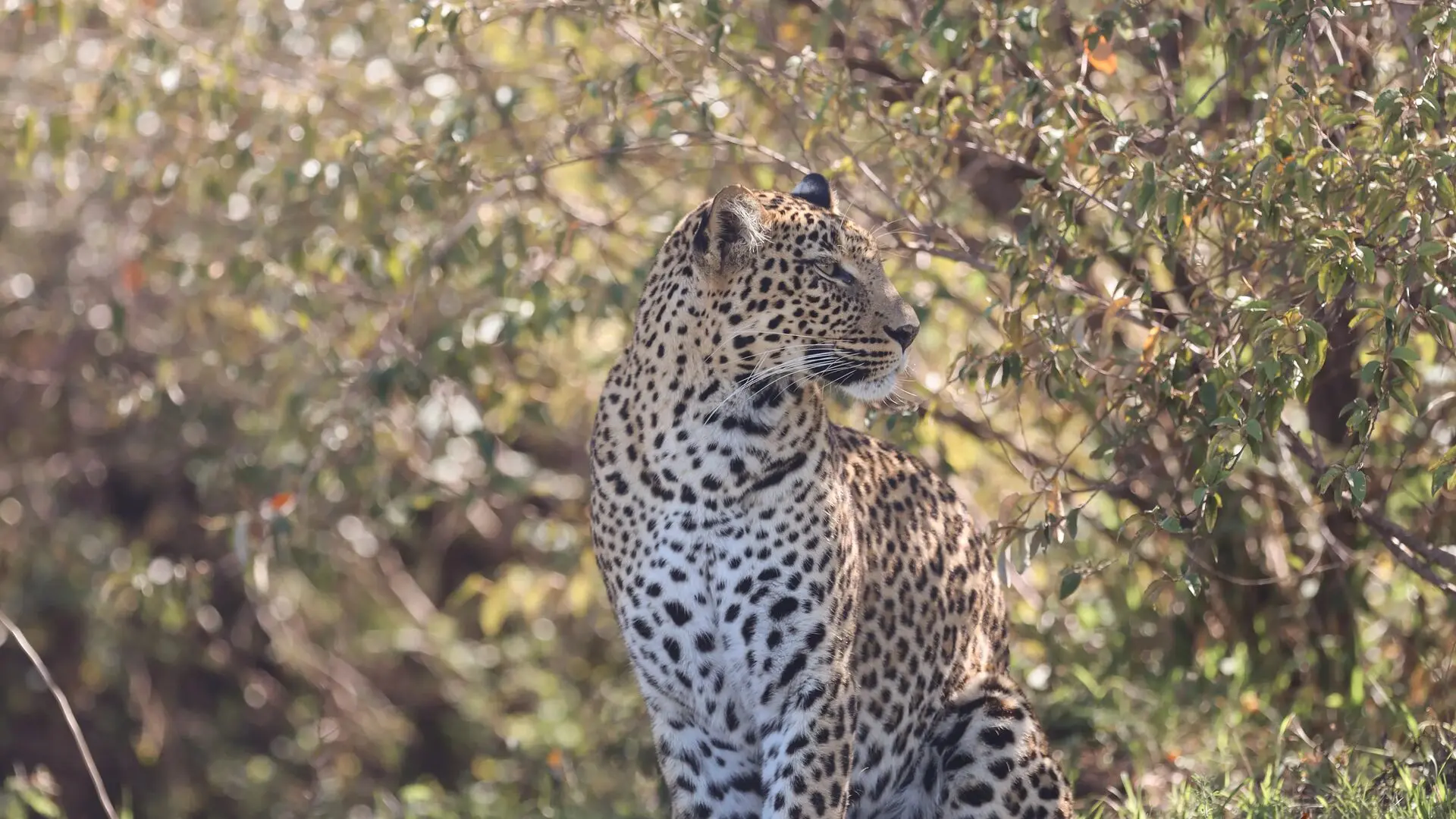
Leopards

Leopards are present in the forest but very rarely seen, being shy and superbly camouflaged. We set honest expectations: a sighting would be a rare privilege rather than something to count on.

Birdlife around Mount Kenya

Birdlife

Birding is a real highlight, from iridescent sunbirds among the flowers to raptors soaring over the moorland. The range of habitats supports an unusually varied bird list.

The Afro-Alpine Flora Guide

Afro-alpine flora on Mount Kenya

This is one of Mount Kenya’s quiet wonders. As you climb, the vegetation shifts through distinct zones found in very few places on earth, which is a large part of what makes the mountain unlike any other Kenyan destination.

  • Giant lobelias standing like sentinels on the moorland
  • Otherworldly giant groundsels above the treeline
  • Dense bamboo forest on the mid slopes
  • Ancient cedar and podocarpus forest lower down
  • Open heathland rich in flowering shrubs
  • High-altitude moorland and afro-alpine vegetation

Best Time to Visit Mount Kenya

The dry seasons of January to March and June to October are generally best for trekking and clear summit views. These are typical seasonal patterns from our guides’ experience, and mountain weather can always change. Scroll the table sideways on smaller screens.

MonthJanFebMarAprMayJunJulAugSepOctNovDec
Trekking conditionsExcellentExcellentGoodFairFairLowExcellentExcellentExcellentExcellentGoodFair
VisibilityExcellentExcellentGoodFairFairGoodExcellentExcellentExcellentExcellentExcellentFair
Wildlife activityGoodGoodExcellentFairFairExcellentExcellentExcellentExcellentExcellentGoodGood
PhotographyExcellentExcellentGoodFairFairGoodExcellentExcellentExcellentExcellentExcellentFair
Rainfall (drier better)ExcellentExcellentGoodLowLowFairExcellentExcellentExcellentExcellentGoodFair

How we source this: the ratings reflect the conditions our guides typically observe across seasons. They are indicative guidance for planning, not guarantees.

Sample Mount Kenya Itineraries

A starting point for your planning. Every route below is fully tailor-made, and we shape the mountain time, whether a trek, a lodge stay or a wildlife combination, around your dates and interests.

Mount Kenya + Ol Pejeta

4 Day Rhino Circuit

Central Kenya wildlife around Ol Pejeta and Laikipia, a natural pairing with a Mount Kenya lodge stay.

View itinerary
Highlands + Mara

6 Day Laikipia & Mara

The Laikipia highlands beneath Mount Kenya combined with the Maasai Mara.

View itinerary
Multi-region

7-Day Kenya Highlights Safari

A week across Kenya’s standout regions, easily shaped to include a Mount Kenya leg.

View itinerary
Extended

10 Days Kenya Safari Experience

A fuller journey with room to pair Mount Kenya with Samburu, Ol Pejeta and more.

View itinerary
Family

Classic Kenya Family Safari

A family-paced route with gentle activities, adaptable to include the Mount Kenya region.

View itinerary
Relaxed pace

7-Day Senior-Friendly Kenya Safari

A relaxed, comfortable pace well suited to a lodge-based Mount Kenya stay.

View itinerary
Plan My Mount Kenya Trip

Where to Stay Around Mount Kenya

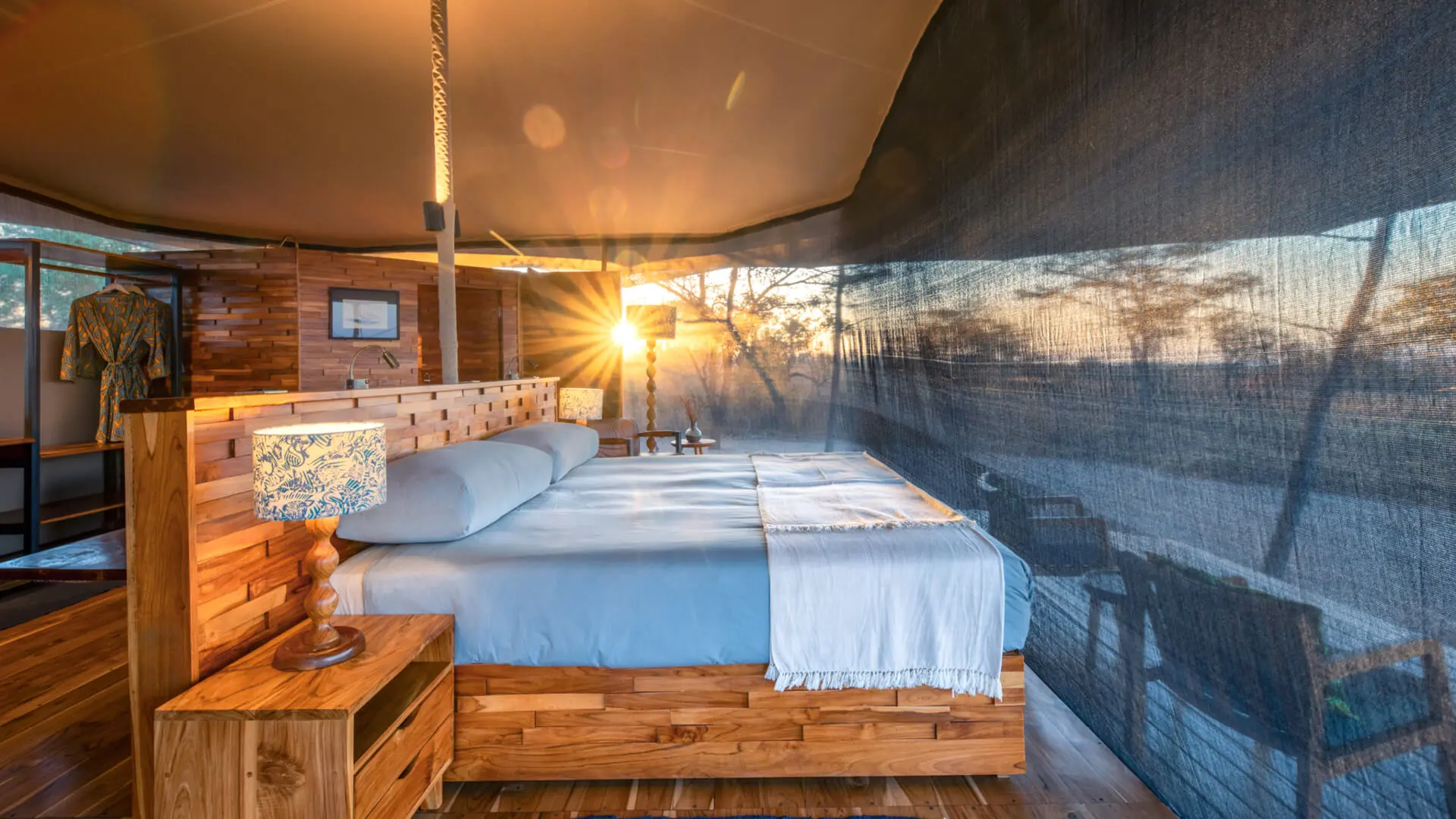
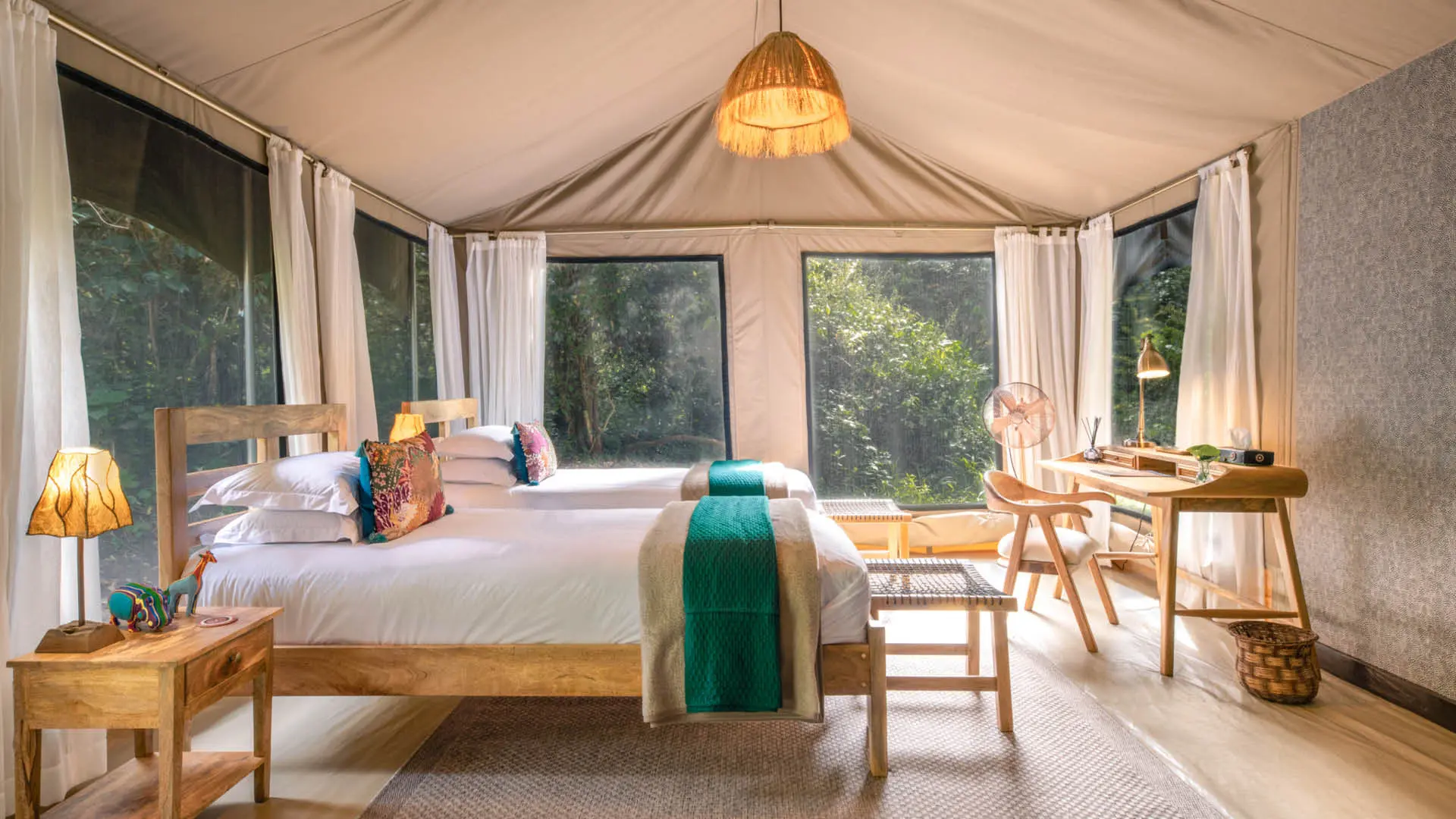
From forest and mountain lodges to comfortable stays around Nanyuki, we match accommodation to your style rather than price alone. Filter by type below, then we will refine it with you.

Forest Canopy Lodge
Mountain forest

Forest Canopy Lodge

A serene forest lodge on the lower slopes, ideal for walks, birding and long mountain views.

Views: Forest · Family friendly: Yes · Best for: Scenery and wildlife

Equator Manor
Nanyuki

Equator Manor

An elegant base near Nanyuki, well placed for day trips, farm visits and the wider region.

Views: Mountain · Family friendly: Yes · Best for: Comfort and access

Highland Retreat
Mountain forest

Highland Retreat

An intimate retreat with log fires and a peaceful setting, good for a scenic escape.

Views: Valley · Family friendly: No · Best for: Couples and walkers

Nanyuki Family Lodge
Nanyuki

Nanyuki Family Lodge

A relaxed lodge with a pool and space for children, easy for a family-friendly stay.

Views: Garden · Family friendly: Yes · Best for: Families

Activities Beyond Trekking

The Mount Kenya region rewards travellers who never lace up a summit boot. This is where the destination really differentiates itself.

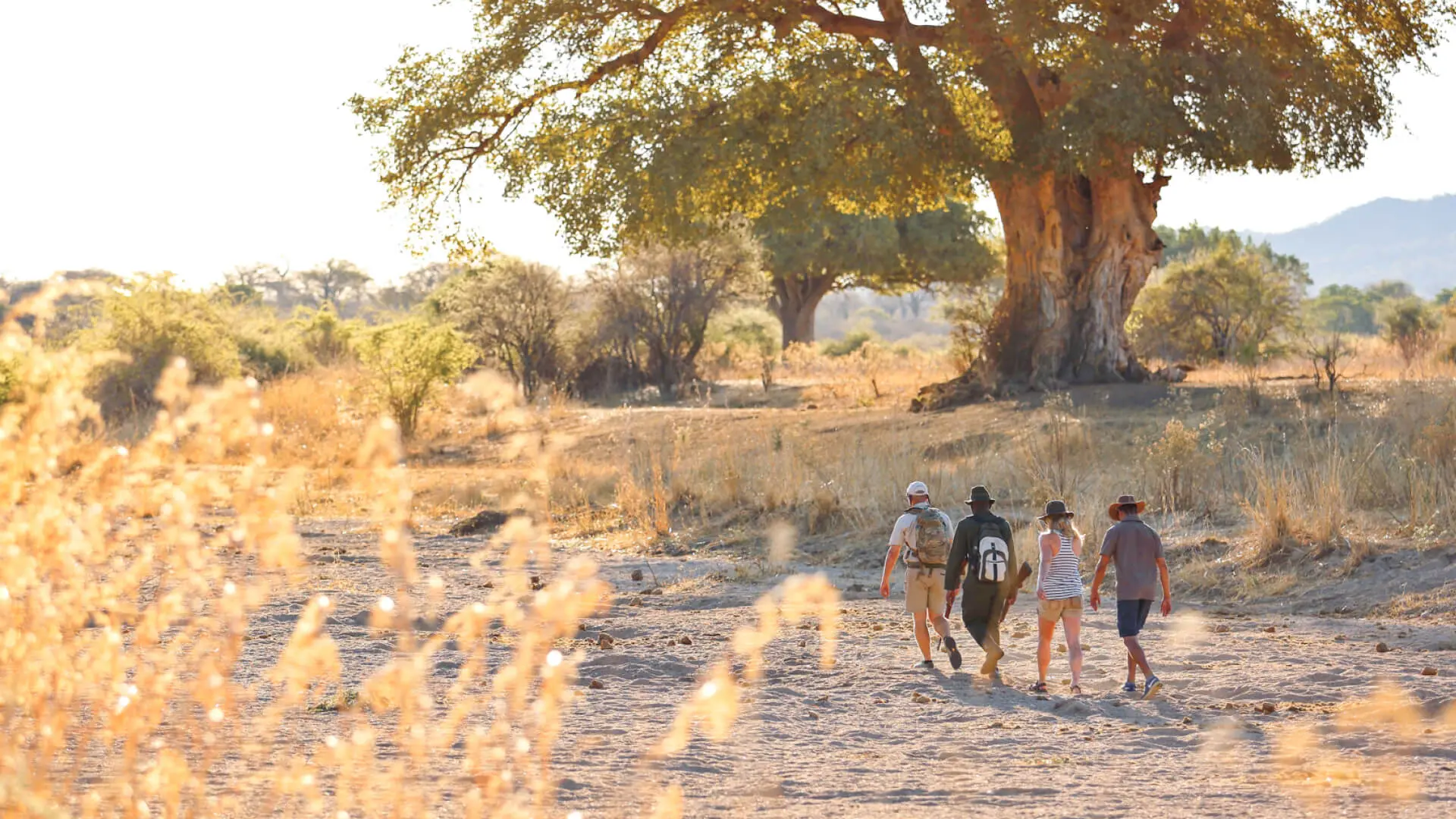
Activities around Mount Kenya

Mount Kenya Packing Guide

What to bring depends entirely on how you experience the mountain. Here is a quick guide by trip type, and we send a tailored list once your plans take shape.

Day Visitors

Comfortable layers, a warm top, waterproof jacket, sturdy walking shoes, sun protection and water.

Overnight Trekkers

Proper hiking boots, thermal base layers, a warm insulated jacket, rain gear, gloves, hat, headtorch and a good sleeping bag.

Summit Attempts

Everything for trekking plus serious cold-weather layers, insulated gloves, a balaclava and hand warmers for the freezing pre-dawn ascent.

Luxury Lodge Guests

Smart-casual layers, a warm jacket for cool evenings, comfortable shoes for gentle walks and a camera. You can travel light.

Mount Kenya vs Kilimanjaro

Many travellers weigh the two great East African peaks against each other. Here is an honest comparison to help you choose the right mountain for your trip.

FeatureMount KenyaKilimanjaro
Highest Point5,199 m (Batian)5,895 m (Uhuru)
WildlifeSurrounding national park & forestLimited on the mountain
CrowdsLowerHigher
Technical climbingBatian & Nelion peaksNo
Day hikesExcellentLimited
SceneryHighly varied ecological zonesDramatic volcanic landscapes

Safari Travel Plus Mountain Insights

These observations come from our own trips and our guides’ knowledge of the region, gathered across the seasons we operate. We share them as indicative guidance for planning, not fixed rules.

  • Sirimon is the most popular trekking route among our guests, with Chogoria favoured for scenery
  • A trek of four to five days is the most common choice, balancing acclimatisation and time
  • The dry months of January to March and July to September are the most requested
  • Mount Kenya is most often combined with Ol Pejeta, Laikipia and Samburu
  • Guests consistently rate the Chogoria route’s scenery as a trip highlight
  • Lodge-based stays are increasingly popular with travellers who want the region without the climb

How we source this: these notes reflect our guides’ field experience and our booking records. They are general patterns that vary from trip to trip.

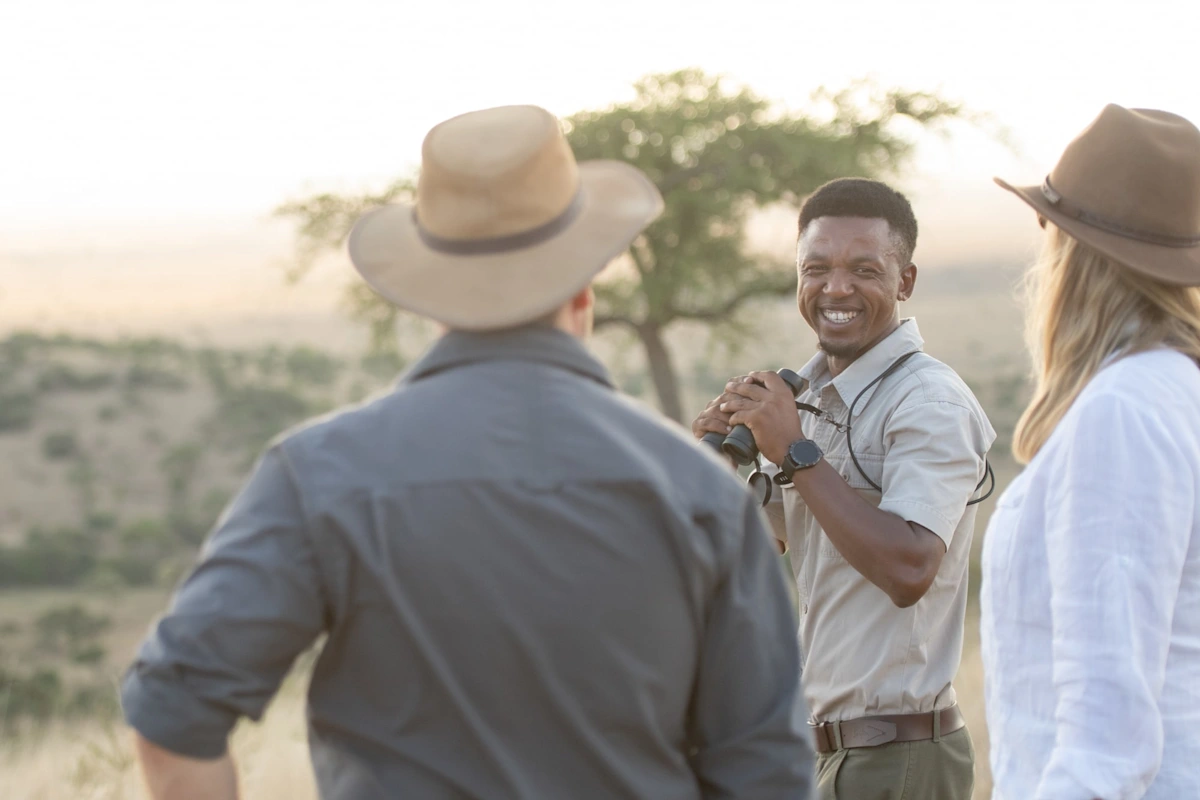
Safari Travel Plus guide in the Mount Kenya region

Why Book Mount Kenya with Safari Travel Plus

Mount Kenya rewards good planning, because the right choice of route, lodge and itinerary length shapes the whole experience. That is where our help matters most.

Mount Kenya Safari FAQs

Can beginners climb Mount Kenya?

Yes. Reaching Point Lenana, the trekking summit at 4,985 metres, is achievable for fit beginners with no technical climbing experience. It is a demanding high-altitude walk rather than a technical climb, and we plan the itinerary length to give your body time to acclimatise.

Do I need technical climbing experience?

Only for the true peaks. Point Lenana and all the main trekking routes are non-technical and require no ropes or climbing skill. The higher peaks of Batian and Nelion are technical alpine climbs suited only to experienced mountaineers with a specialist guide.

How difficult is Point Lenana?

It is challenging mainly because of the altitude and the early, cold summit morning, rather than the terrain. With a sensible multi-day itinerary that allows for acclimatisation, most reasonably fit walkers manage it. We match the route and pace to your fitness.

What wildlife can I see around Mount Kenya?

The forest and moorland zones hold elephants, buffalo, bushbuck, colobus monkeys, hyraxes and the occasional giant forest hog, with leopards present but rarely seen. Birdlife is excellent, including sunbirds and raptors. Wildlife is most often encountered in the lower forest belt and on the surrounding conservancies.

Is altitude sickness common on Mount Kenya?

Some altitude effects are common above 3,000 metres, and how each person responds varies. The best protection is a longer itinerary that ascends gradually with proper acclimatisation stops. We build in time rather than rushing, and our guides monitor guests throughout.

What should I pack for Mount Kenya?

It depends on how you experience the mountain. Day visitors need layers and good footwear, trekkers need proper cold-weather and rain gear, and summit attempts require serious warm layers for freezing pre-dawn conditions. Lodge guests can travel light. We send a tailored packing list for your trip.

Can I visit Mount Kenya without climbing?

Absolutely, and many of our guests do. The region offers forest walks, wildlife, luxury lodges with mountain views, trout fishing, horse riding, farm visits around Nanyuki and more. Mount Kenya works beautifully as a scenic and wildlife destination on its own.

Is Mount Kenya suitable for children?

The lower region is very family friendly, with gentle forest walks, nature activities and lodges built for families. Summit treks are not suitable for young children, but a lodge-based Mount Kenya stay combines wonderfully with a family safari.

Can I combine Mount Kenya with a safari?

Yes, and it is one of the most rewarding combinations we arrange. Mount Kenya sits in Central Kenya near Ol Pejeta, Laikipia, Samburu, the Aberdares and Lake Nakuru, so it slots naturally into a wider itinerary. We can pair mountain time with classic game viewing.

How many days do I need for Mount Kenya?

Between two and six days depending on your goal. A lodge-based scenic escape works in two days, a Point Lenana trek typically needs three to five days for safe acclimatisation, and a full summit expedition or safari combination benefits from more.
Ready to Plan Your Mount Kenya Trip?

Tell us your dates, your fitness and what draws you to the mountain, and we will design a tailor-made trip that fits you, whether that is the summit, a lodge escape or a safari combination.

Plan My Mount Kenya Trip