Experiences
Safari, your way.
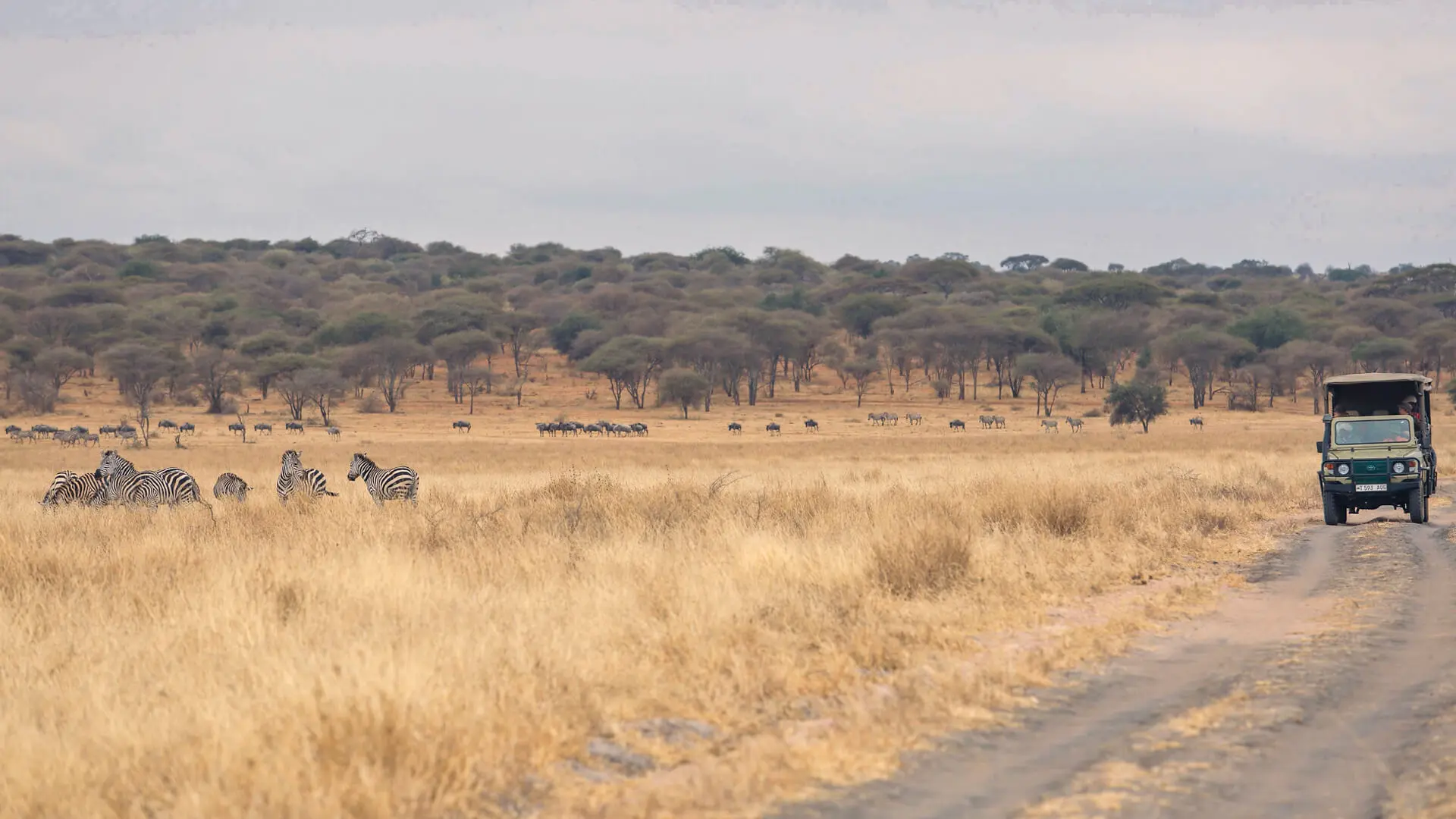
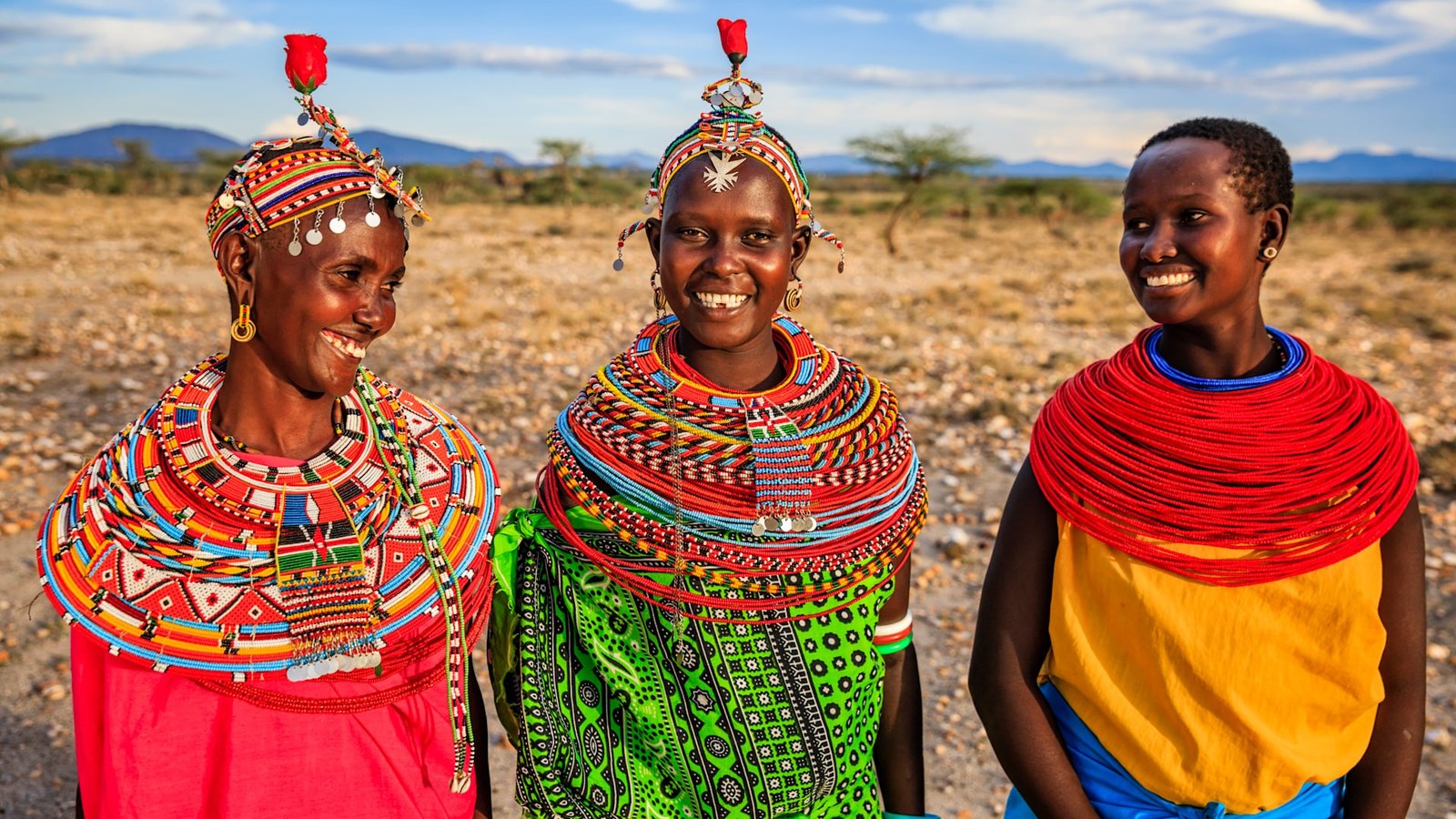
Each day is a new chapter, from Big Five game drives and hot air ballooning to Maasai cultural visits and sundowners beside the Mara River. Experiencing the Mara is an adventure quite unlike any other.
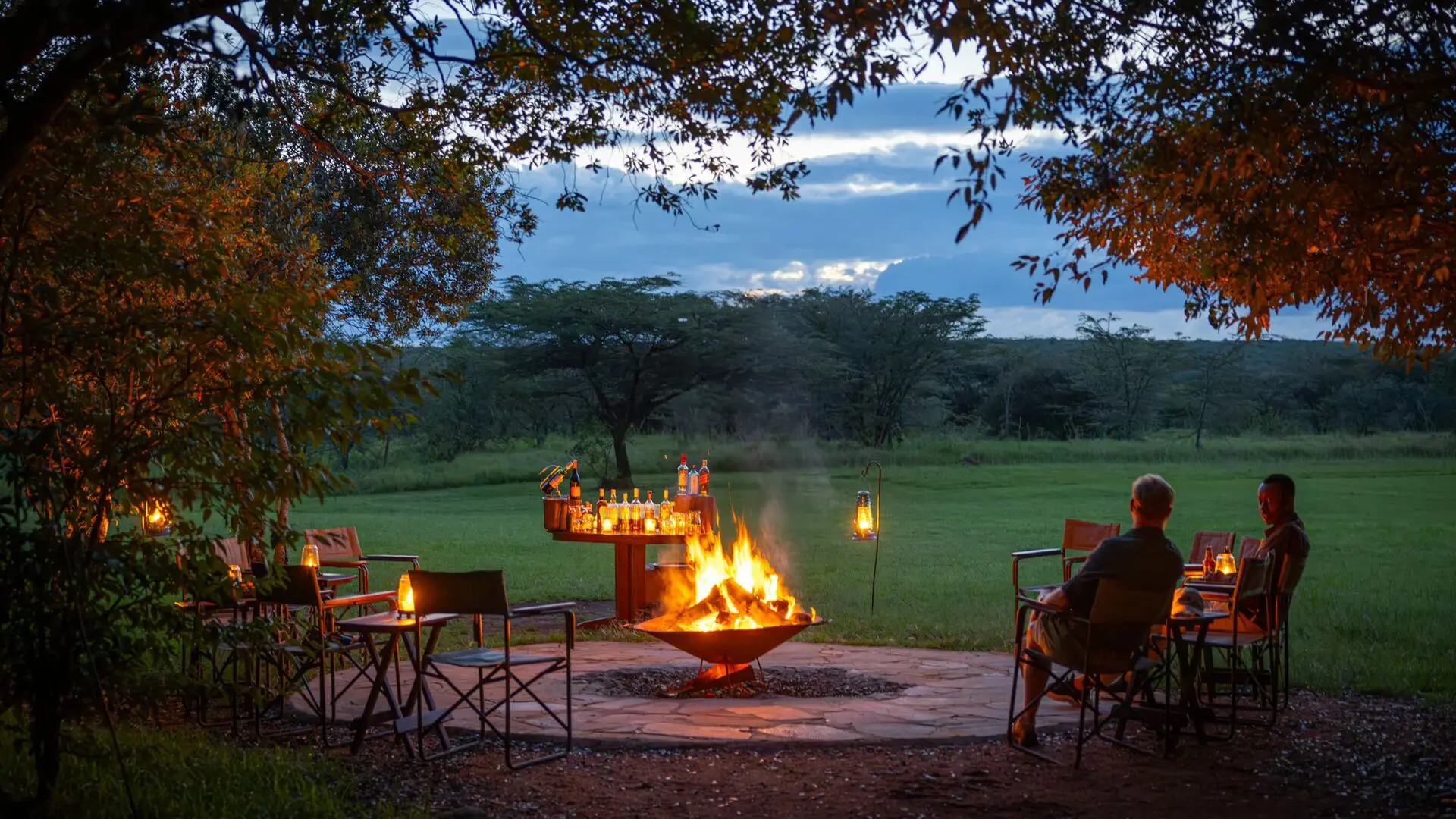
From the Great Migration to intimate walking safaris - every type of Kenya safari experience, designed and guided by our Nairobi-based team.
Each day is a new chapter, from Big Five game drives and hot air ballooning to Maasai cultural visits and sundowners beside the Mara River. Experiencing the Mara is an adventure quite unlike any other.
Luxury Safaris
Private game drives, exclusive camps under 20 rooms, fly-in transfers and seamless service
Family Safaris
Child-friendly lodges, flexible pacing, Big Five sightings and memories that last a lifetime
Honeymoon & Romantic
Private camps, sundowners, beach extensions and once-in-a-lifetime moments for couples
Fly-In Safaris
Skip the road, arrive fresh and maximise every moment - scheduled and charter flights from Nairobi
Wildlife & Big Five
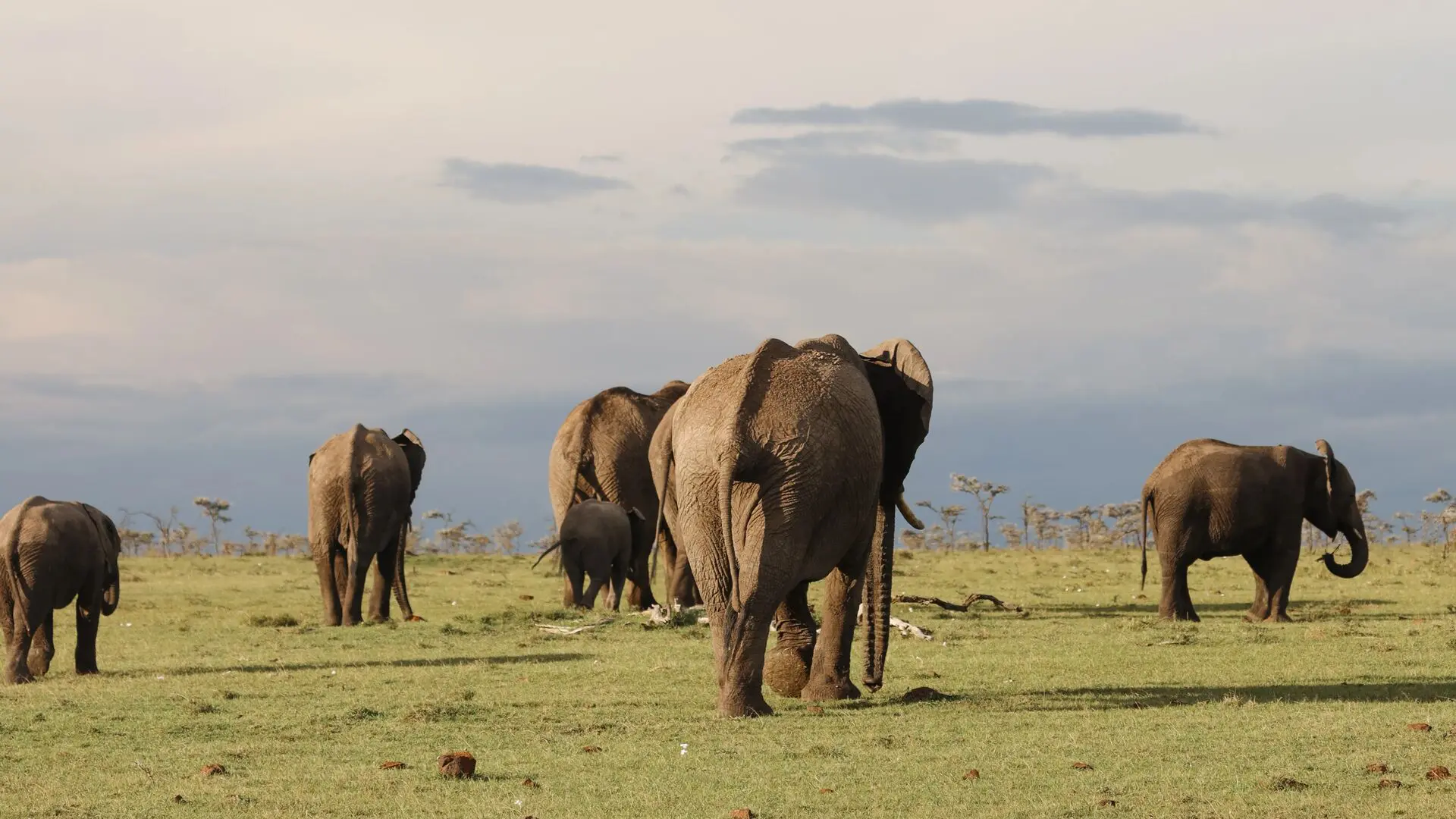
Big Five, Great Migration, cheetah, wild dog and 600+ bird species with expert wildlife guides
Great Migration
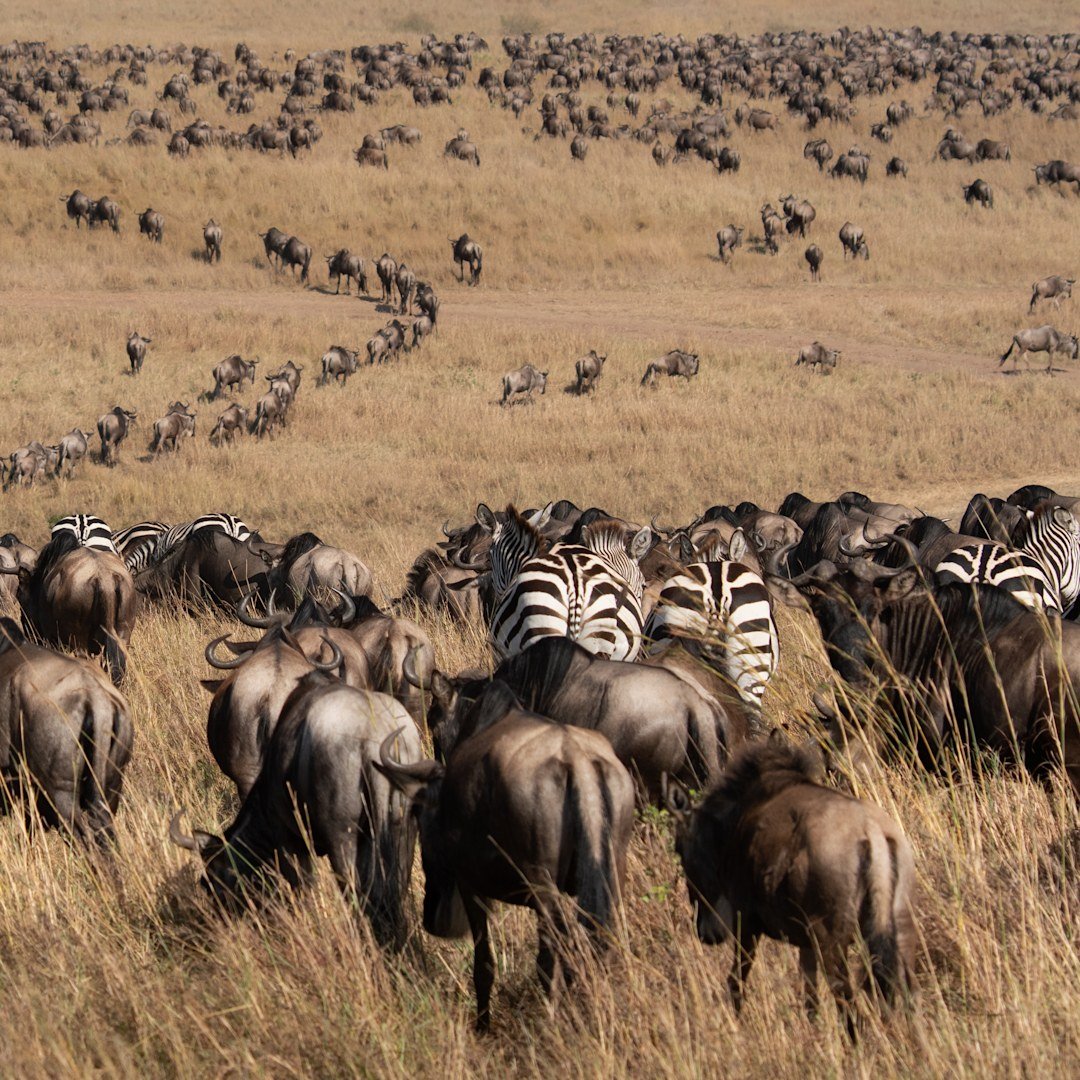
1.5 million wildebeest crossing the Mara River - the greatest wildlife spectacle on earth
Walking Safaris
The bush at human pace - tracking, listening and experiencing Africa as no game drive can replicate
Solo Safaris
Africa alone but never lonely - safe, sociable and entirely on your terms
Senior-Friendly Safaris
Kenya's finest wildlife at a comfortable pace - designed for travellers who want the full experience without the rush
Photographic Safaris
Plan around your subjects, season and kit - best parks, conservancies and camps for serious wildlife photography
The Experiences, Explained
Before you choose, it helps to know what each experience actually feels like on the ground - and when it comes into its own. Here is the honest shape of the journeys we plan most.
The classic · Big Five
The heart of every Kenyan safari. Open-sided 4x4s and an expert guide put you within metres of lion, elephant and more. Over three to four days, seeing four of the Big Five is realistic - and all five is genuinely possible.
Explore wildlife safaris →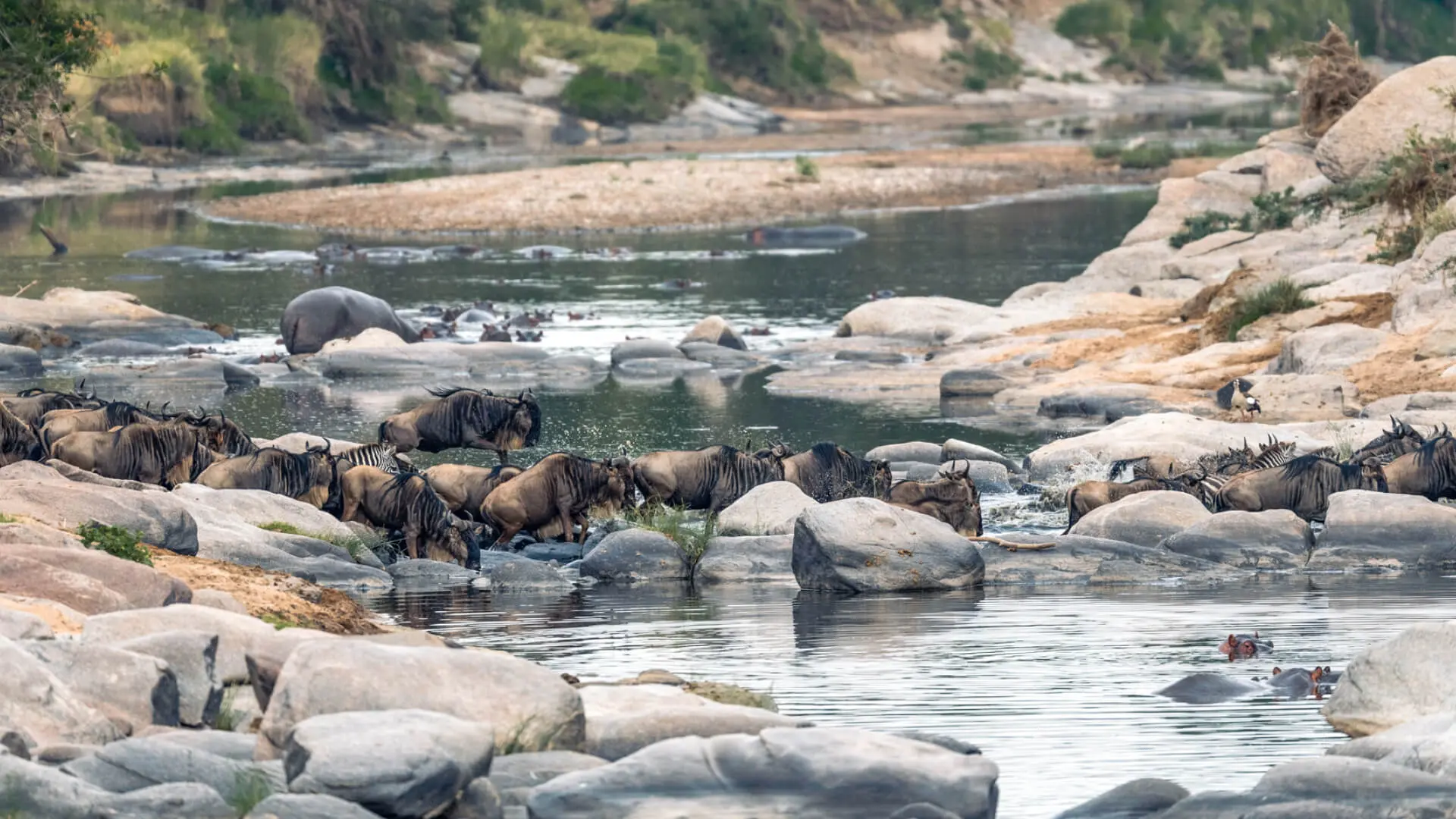
Seasonal · July to October
Over a million wildebeest and zebra cross the Mara River in a spectacle you can't schedule. The smart approach is to base yourself near the river and stay flexible - crossings happen on the herd's terms, not the calendar's.
Plan a migration safari →At first light
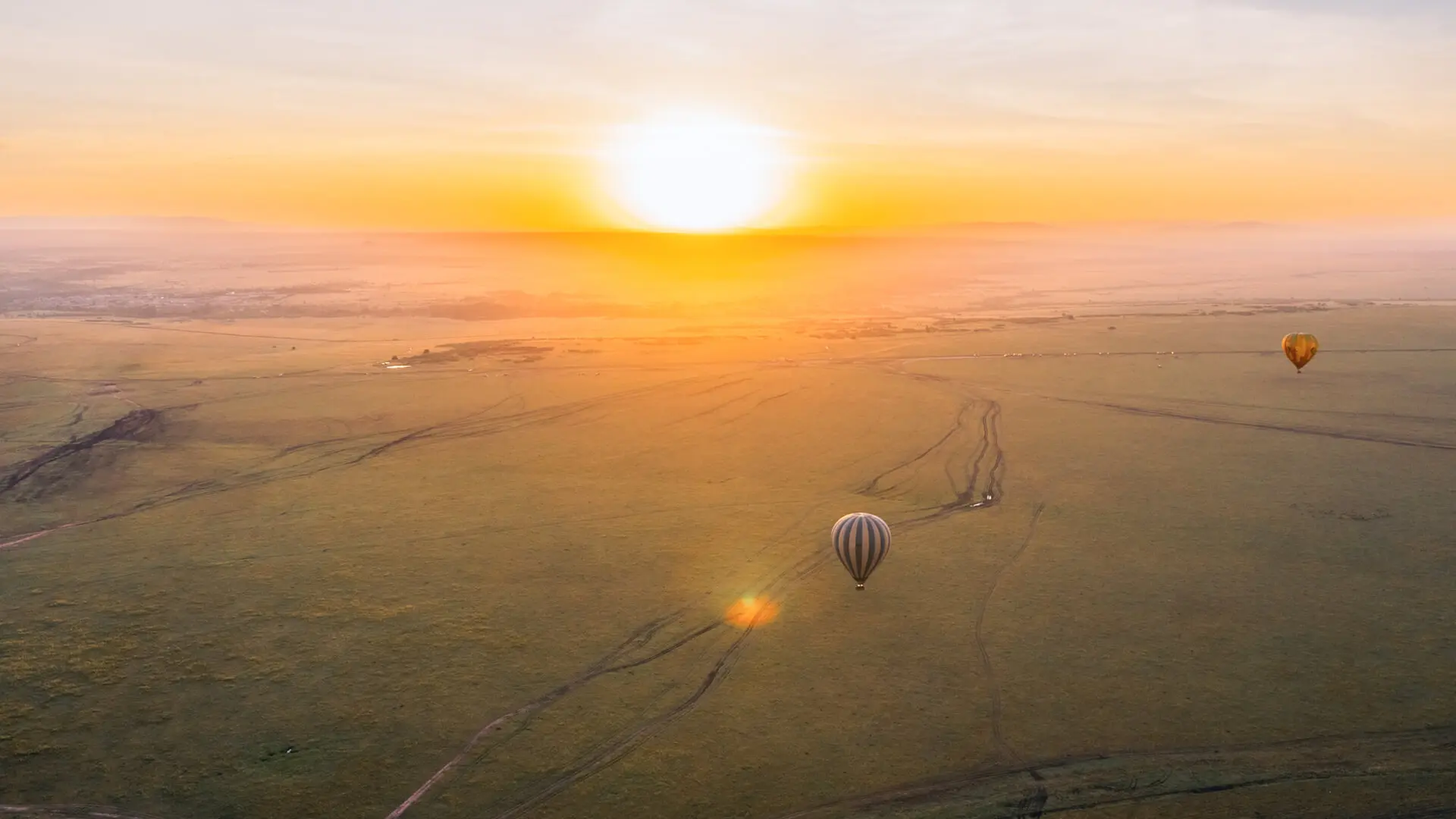
Drifting silently over the plains at dawn is the Mara from a perspective few ever see - ending with a champagne bush breakfast on the grass. Balloons weight-balance the basket, so book ahead and travel light.
Book a balloon safari →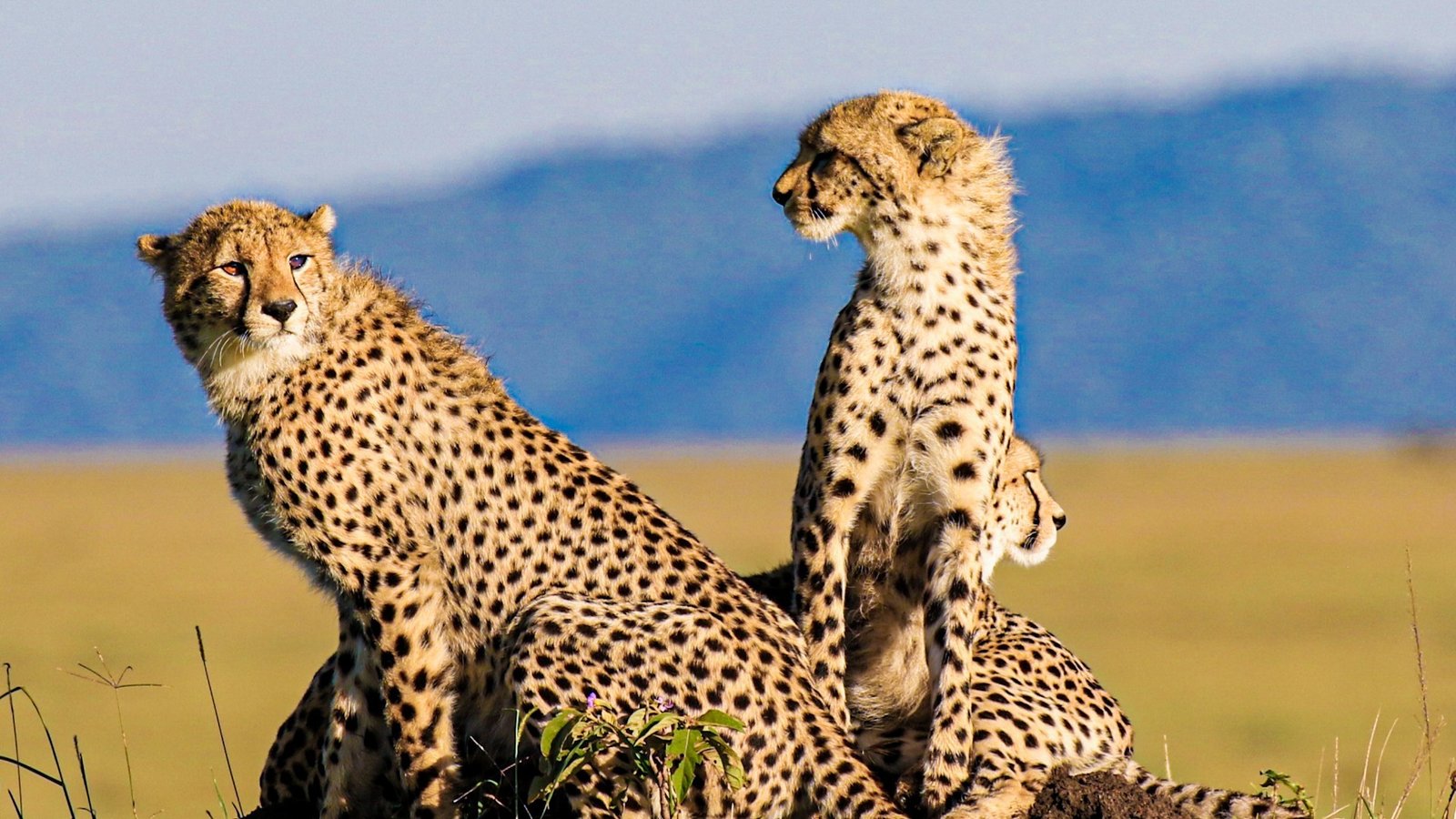
Slow & patient · Big cats
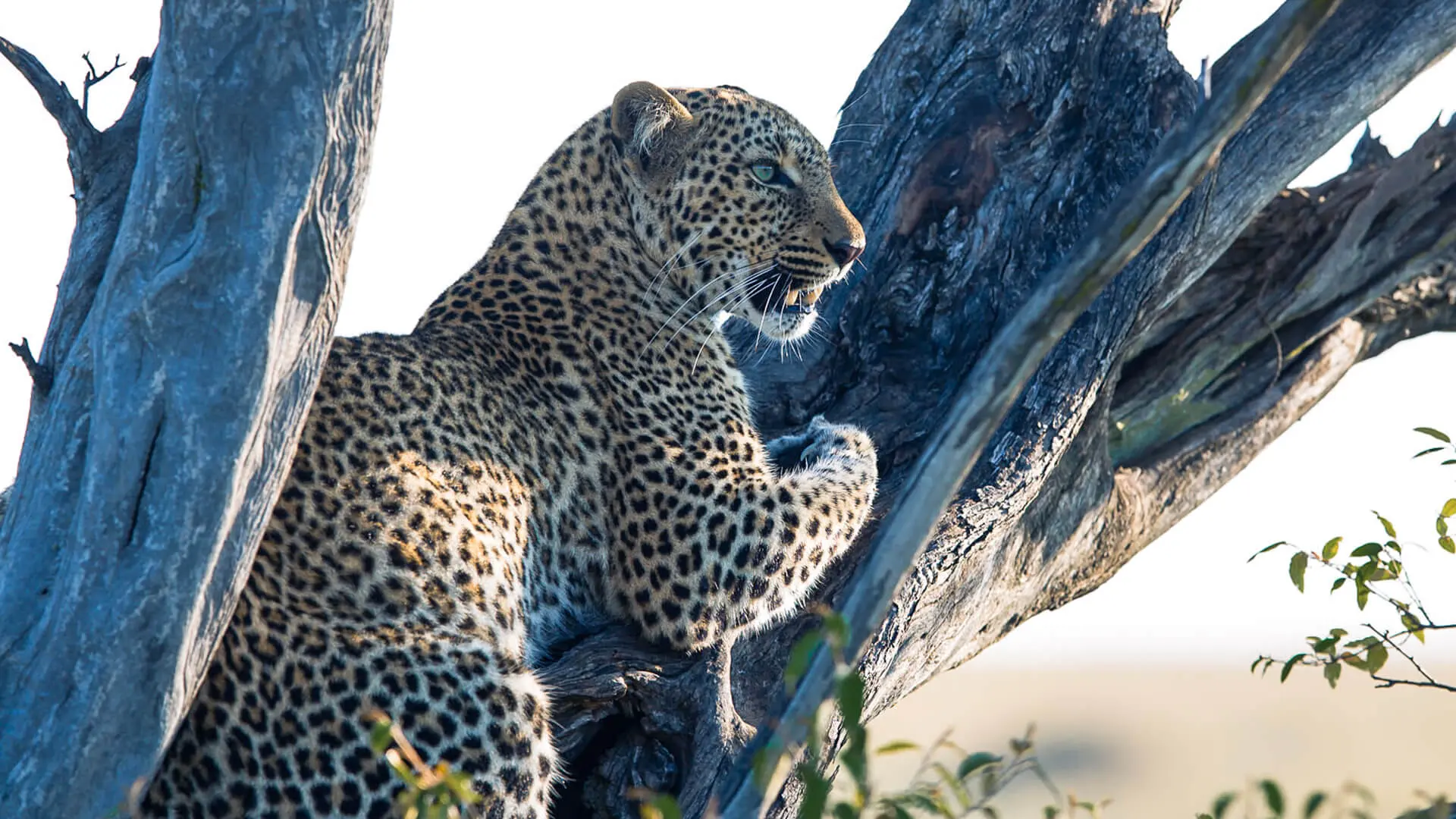
Cheetah and leopard reward quiet, unhurried driving and a guide who reads the plains. A dedicated photographic vehicle - with a beanbag and a low window - is what turns a distant glimpse into a portrait.
See photographic safaris →A safari in March is a different journey to a safari in September. There is no single best time - only the best time for what you want to see. Here is how the year unfolds across Kenya’s plains.
Peak season. Over 1.5 million wildebeest brave the crocodile-lined Mara River. The single most dramatic wildlife spectacle on earth - and the busiest, most sought-after window.
Warm, clear mornings and emerald plains. Predators hunt among the newborn herds, sightings are often yours alone, and the light is superb for photography.
The quiet edges of the seasons. Far fewer vehicles on the plains, golden light, and resident game still in superb supply - the Mara at its most private.
The long rains bring lush scenery, migrant birds and dramatic skies. Some camps close, but those open reward you with solitude and the lowest prices of the year.
River crossings cannot be guaranteed on any single day - they follow the herds, not the calendar. We position you near established crossing points and stay in constant radio contact across the reserve.
The Same Plains, A Different Story
The Mara is never the same place twice. The experiences you come for - the crossings, the cats, the light - each have a season when they sing, and a quieter season when you may have them almost to yourself. Here is how to read the calendar.
The Migration
Big-Cat Tracking
The Plains Themselves
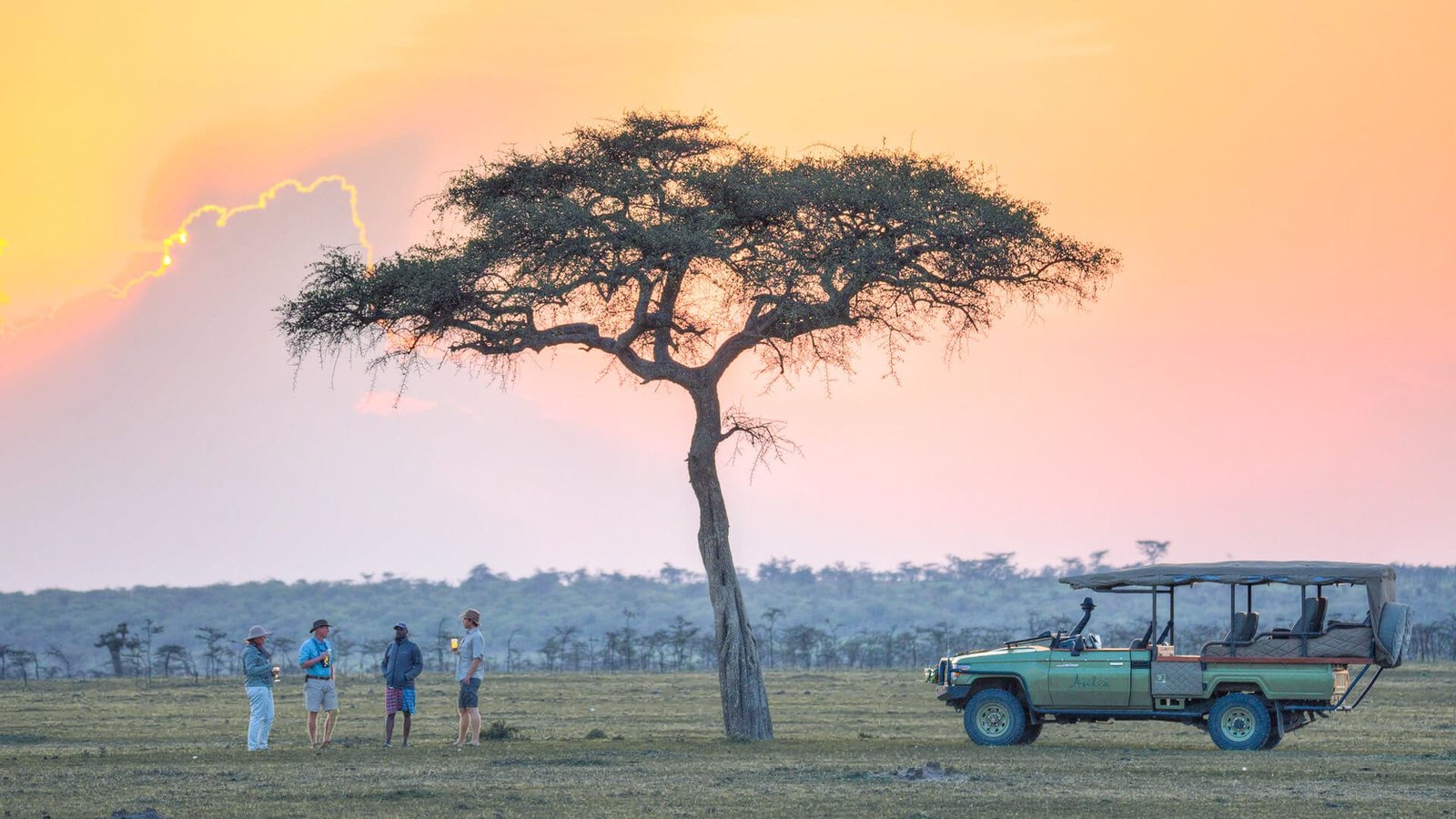
Ballooning & Sundowners
Where To Stay
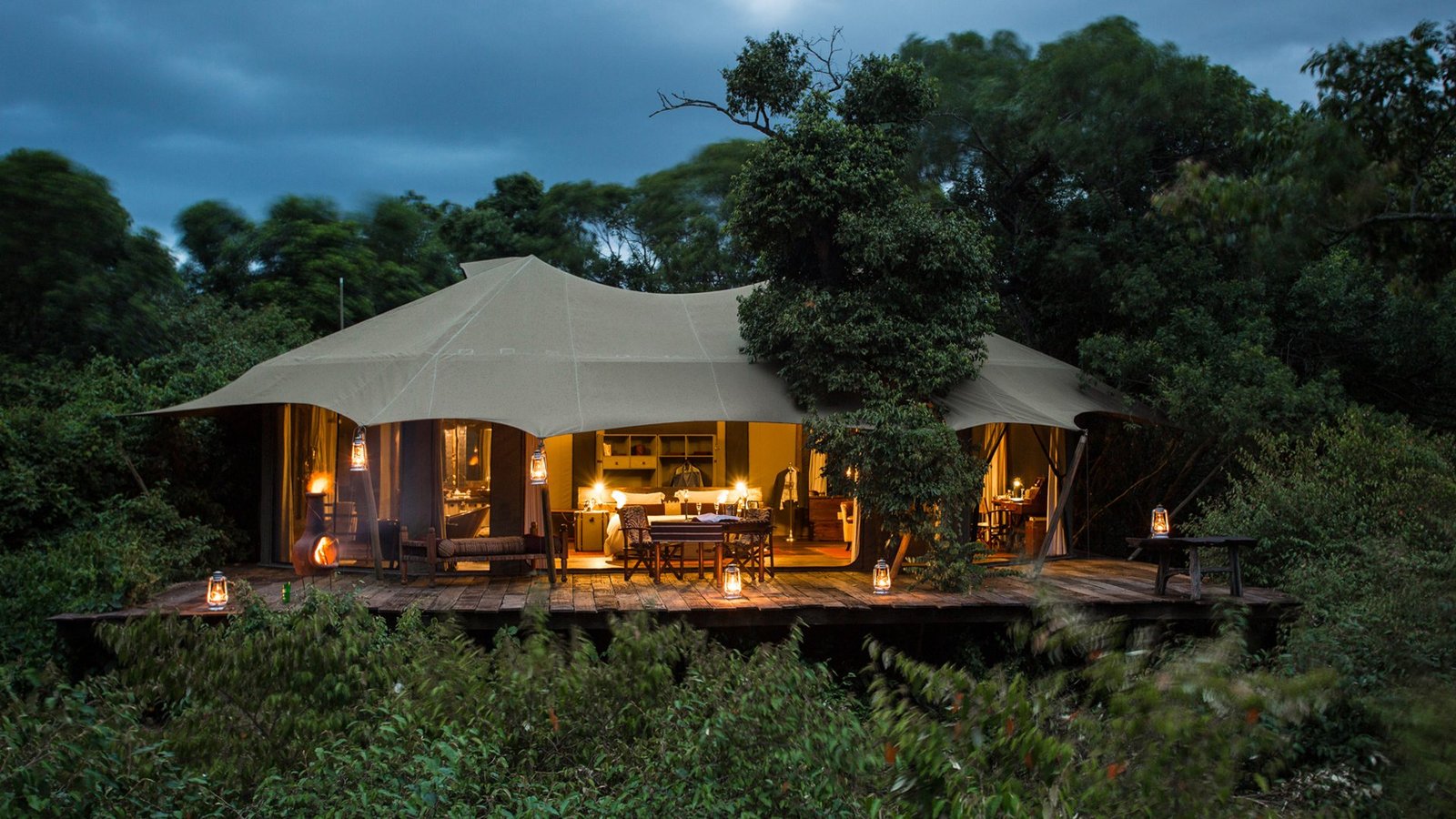
A great safari is as much about where you return each evening as what you see by day. These are the camps our team knows first-hand and chooses for our most discerning travellers - and the honest reasons why.
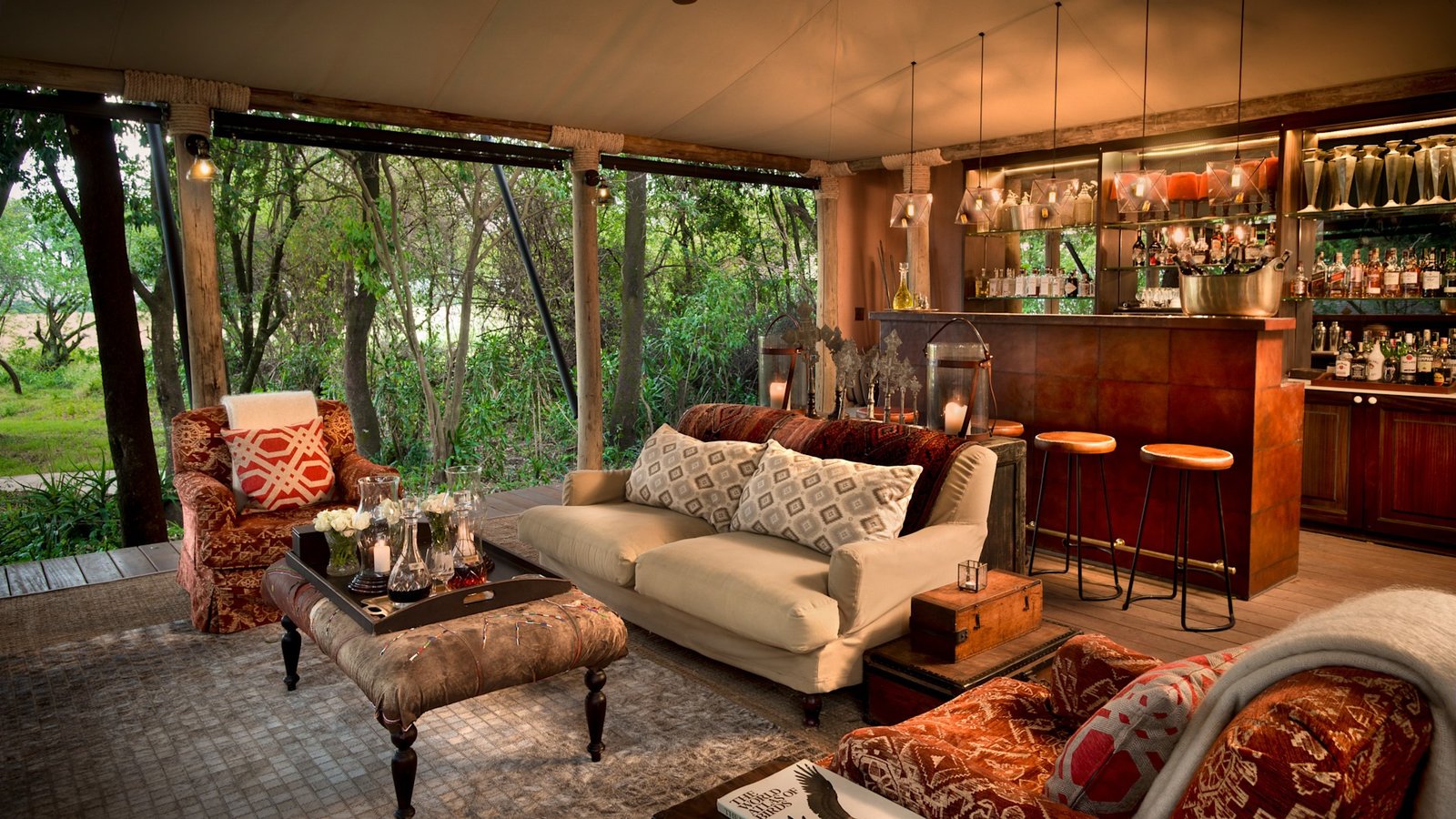
Mara Triangle · &Beyond
Why we recommend it
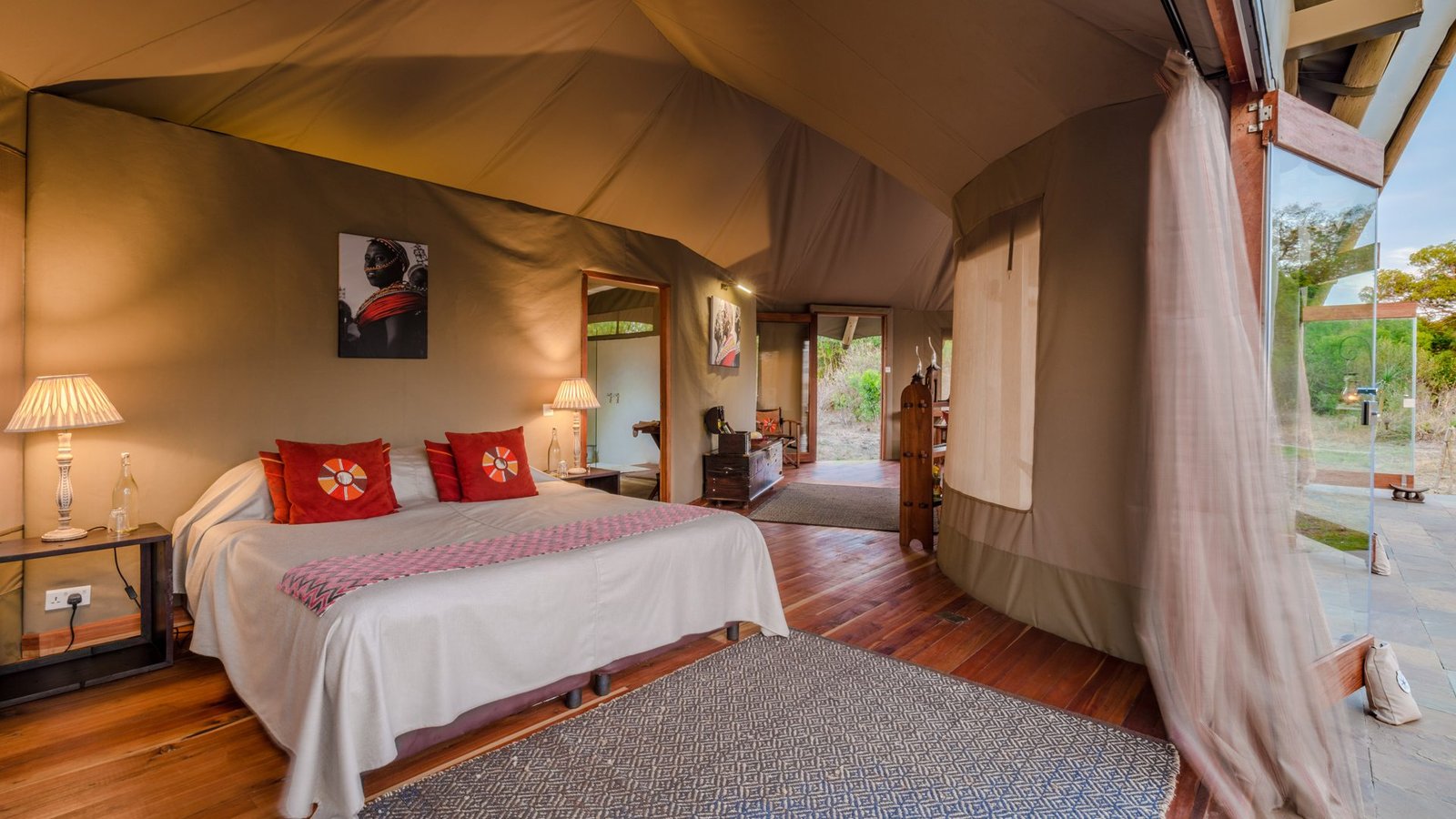
Mara Reserve · Confluence
Why we recommend it
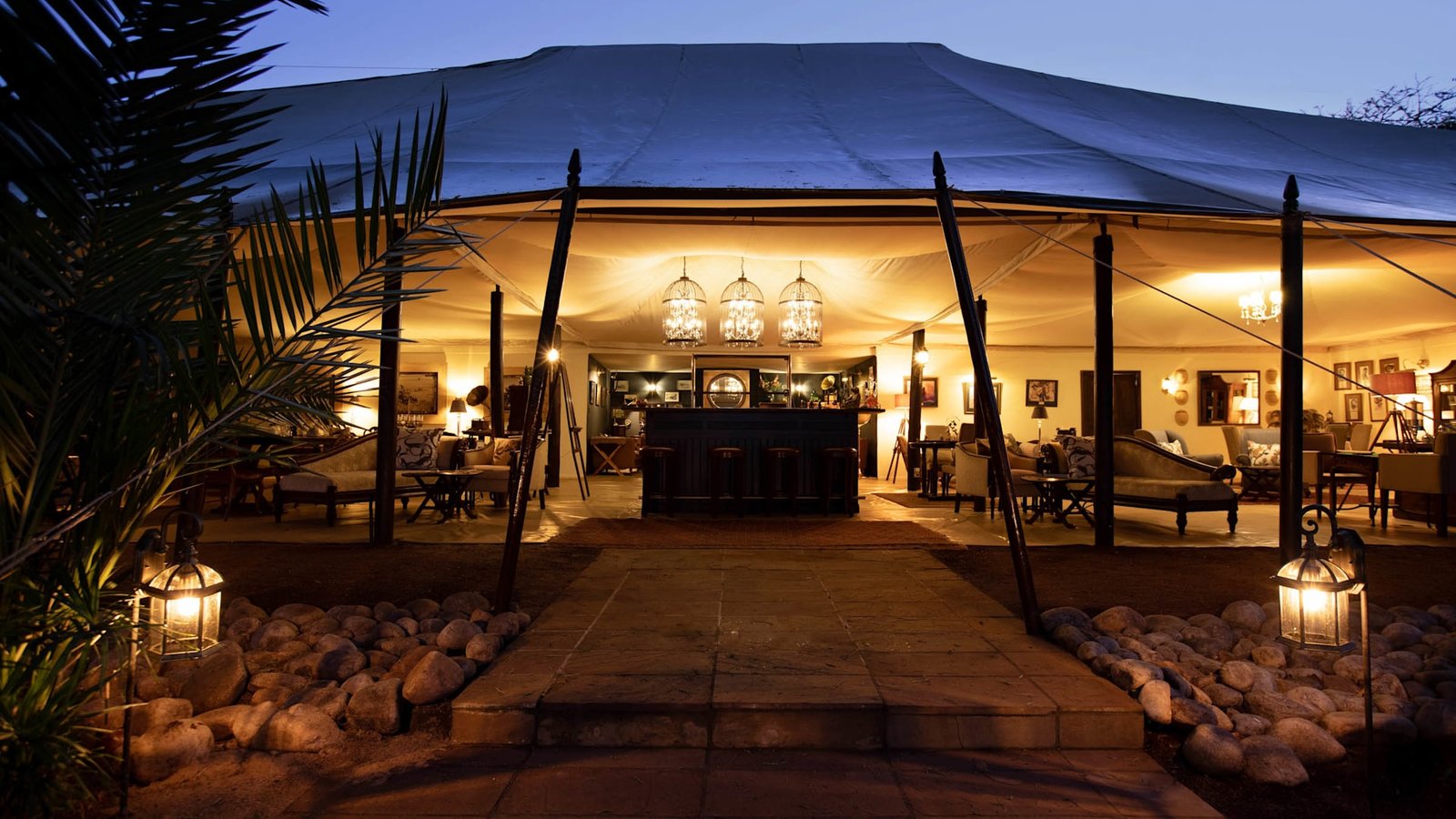
Olderkesi Conservancy
Why we recommend it
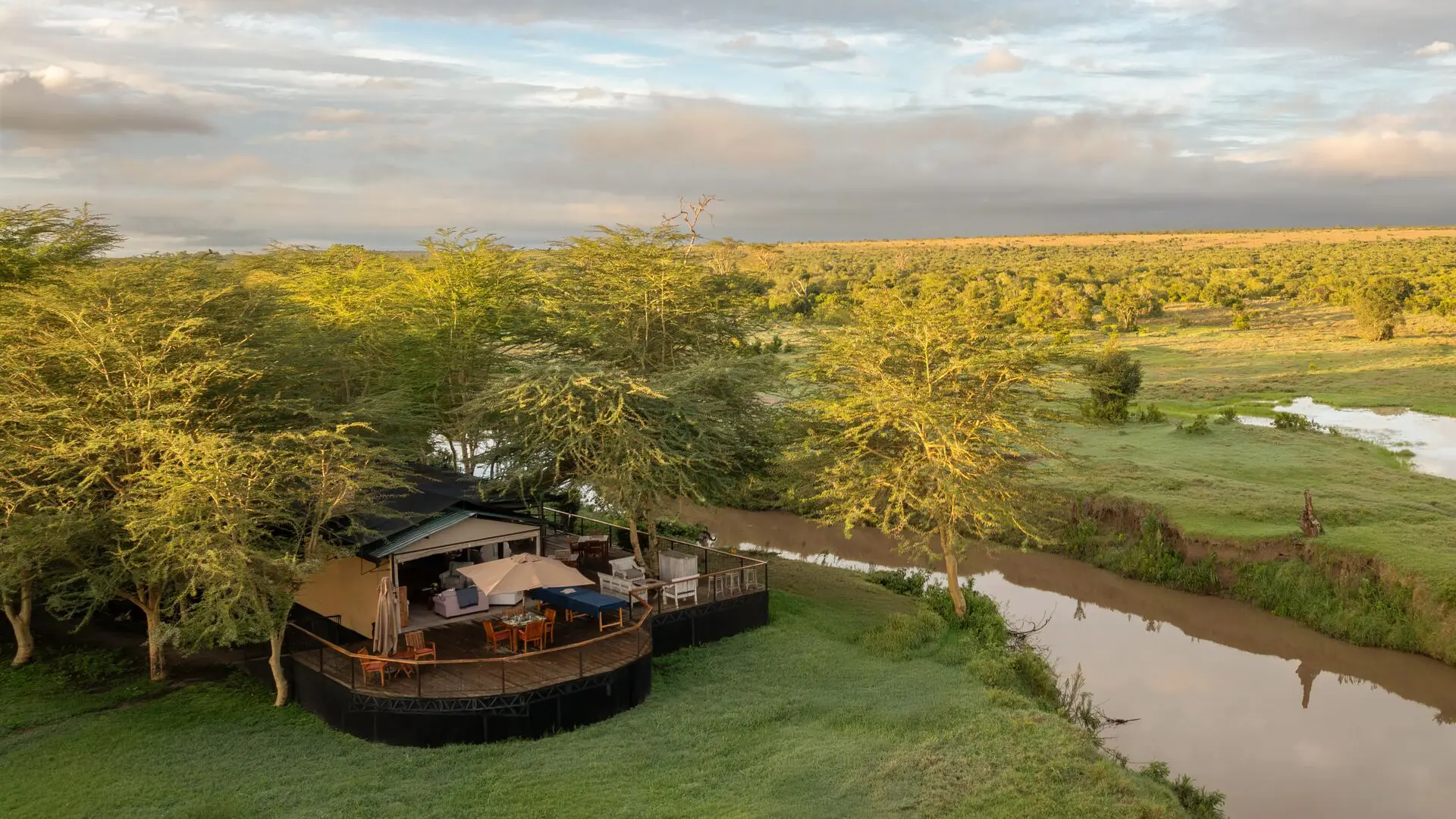
Ol Pejeta Conservancy
Why we recommend it
Camps are matched to your dates, party and pace - we hold relationships with each and will recommend the right fit, not simply the best-known name.
The right experience is rarely about ticking off animals. It’s about pace, privacy and the kind of memory you want to carry home. Start where you see yourself below.
-It’s our first safari
Begin in the Masai Mara with a private guide and vehicle. Wildlife density is exceptional, the open plains make game-viewing straightforward, and three to four nights delivers six game drives - enough to see four of the Big Five with realistic ease.
-We’re travelling as a family
Choose family-friendly conservancy lodges with interconnecting tents, flexible meal times and junior-ranger activities. Conservancies permit walking and night drives that keep older children captivated - and the whole family travels together, privately, at its own pace.
-I’m here for photography
Base yourself in a private conservancy such as Olare Motorogi, where capped vehicle numbers mean you rarely share a sighting. Travel in the green season for dramatic light and request a photographic vehicle with bean-bag mounts.
-We want romance and seclusion
Look to intimate fly-in camps with private bush dinners, star-bed nights and sundowners away from the crowds. Fewer than twelve guests, a single unhurried itinerary, and the Mara entirely to yourselves at dusk.
Answer a few questions and our Nairobi team will recommend the perfect experience for your party, your pace and your style of travel.
Our family safari specialists design child-friendly itineraries for all ages
Family safaris →Position yourself for the Great Migration - the greatest wildlife spectacle on earth
Migration safaris →Use our safari cost calculator to see what is possible
Try the calculator →4 Day Masai Mara Fly-In Safari
Fly-in from Nairobi · Luxury tented camp · Private game drives · Big Five
7 Day Kenya Highlights Safari
Three parks · Big Five · Private vehicle throughout · All meals
Field Notes
No operator can promise a sighting - wild animals keep their own counsel. But understanding where and when each species moves is what separates a good guide from a great one. A few honest pointers before you meet them on the plains.
Year-round · Dawn & dusk
The Mara holds some of Africa's highest lion densities. Prides rest in shade by midday - find them at first light or near a fresh kill.
Wildlife safaris →Open plains · Mid-morning
The Mara's habituated cheetahs hunt in daylight on short-grass plains - among the most reliable cheetah country on earth.
Photographic safaris →Riverine forest · Twilight
Look up: leopards drape over branches along the Mara and Talek riverine forest. Patience and a sharp-eyed guide are everything.
Visit the Masai Mara →Best at Ol Pejeta
For guaranteed close encounters and East Africa's largest black rhino sanctuary, pair the Mara with Ol Pejeta Conservancy.
Explore Ol Pejeta →Over three to four days with an experienced guide, seeing four of the Big Five is realistic - and all five is genuinely possible.
See the best time to go →No operator can guarantee a sighting - wild animals keep their own counsel. But knowing where and when each species moves is half the art of a great safari. Hover to learn where to look.
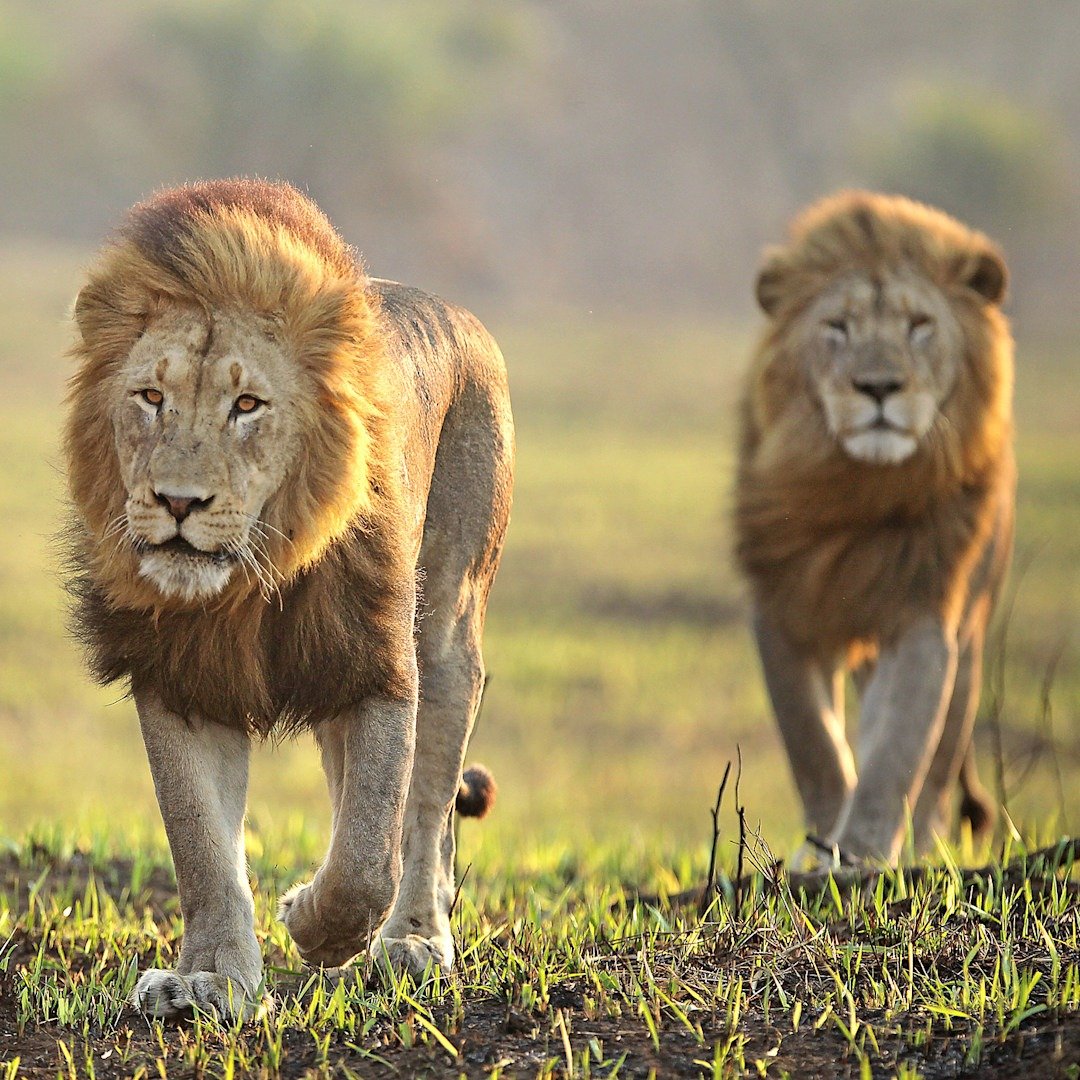
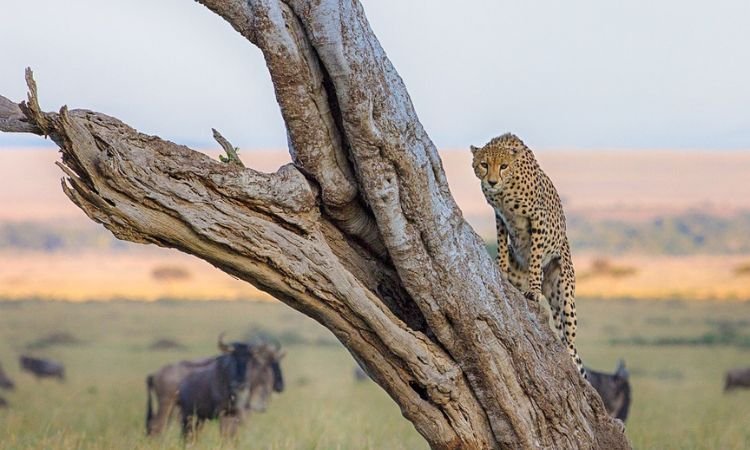
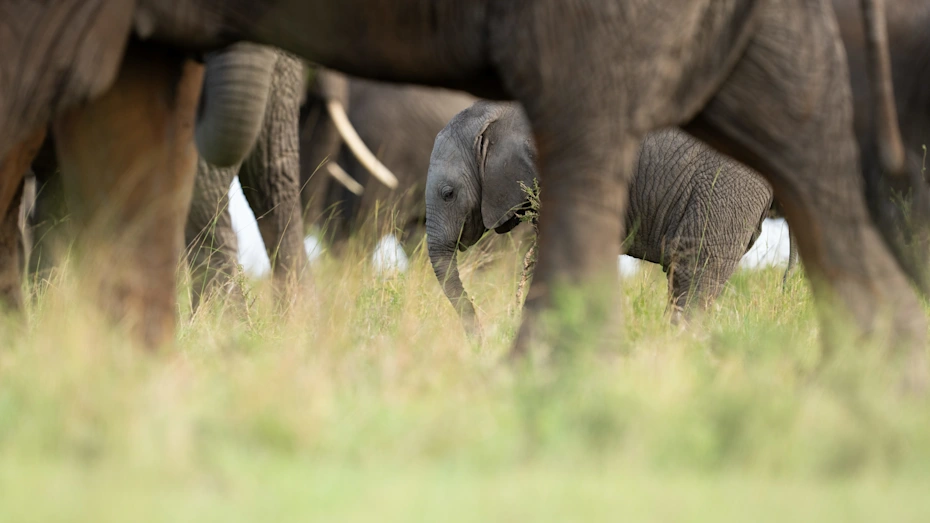
Over three to four days with an experienced guide, seeing four of the Big Five is realistic - and all five is genuinely possible.
Travel That Protects
The Masai Mara survives not in spite of tourism but because of it. Every night you spend here turns wildlife into the most valuable crop the land can grow - worth more standing than fenced, farmed or hunted.
We think you should know exactly where that money goes. Here is what your stay quietly pays for.
Where your conservancy fees go
01
A nightly per-guest conservancy fee - typically built into your camp rate - flows directly to the landowners who keep this wilderness wild. Your stay is the funding model.
02
In the conservancies bordering the reserve, hundreds of Maasai families lease their land for wildlife instead of fencing or farming it, paid a stable monthly income per hectare. Conservation becomes the most rewarding use of the land.
03
Lease income funds armed ranger units, vehicle patrols and increasingly digital tracking - the daily, unglamorous work that keeps snares out of the grass and rhino on the plains.
04
A share of tourism revenue builds and staffs classrooms, bursaries and health posts, so that the generation growing up alongside the wildlife has a direct stake in protecting it.
05
When a lion takes a cow, verified-loss compensation schemes repay the herder - quietly defusing the retaliatory killing that is the single greatest threat to the Mara’s big cats.
06
At Ol Pejeta, every black rhino is known by name, tracked daily and guarded around the clock - part of why the conservancy holds East Africa’s largest population and the last two northern whites.
We will always steer you toward camps and conservancies with a transparent, measurable conservation record - and tell you honestly how each one performs.
See conservation in action at Ol Pejeta →Know Before You Go
The small, practical truths that rarely make the brochure but shape every day in the bush. This is the briefing we give our own travellers before they fly.
Daytime temperature
24-28°C
Warm, dry days year-round on the plains.
Dawn & evening
10-14°C
Crisp game-drive mornings - pack a fleece.
Sunrise / sunset
06:30 / 18:45
Near-constant; you’re close to the equator.
Luggage allowance
15 kg
Soft-sided bags only on light-aircraft transfers.
Vehicle
4x4 Land Cruiser
Open-sided, window seat guaranteed on private trips.
Dust level
Moderate
A scarf and a lens cloth earn their place.
Tsetse flies
Largely absent
Rare in the open Mara; avoid dark blue and black.
Mobile coverage
Patchy
Signal around camps; little on the plains - by design.
Charging
In-tent & USB
Most camps run solar with 24-hour battery banks.
Water
Filtered, ample
Refillable bottles in every tent and vehicle.
Laundry
Same / next day
Complimentary at most camps - pack light.
Altitude
~1,500-1,800 m
High enough for cool nights, no acclimatising needed.
Moon phase
Worth checking
A full moon dims the stars but lights up night drives.
Malaria
Low-risk zone
Prophylaxis still advised - confirm with your doctor.
Currency
USD widely taken
Card for camps; small USD notes for gratuities.
Time zone
EAT (GMT+3)
No daylight saving - your body clock settles fast.
Figures are typical for the Masai Mara in peak season; your final pre-departure pack covers your exact camps, transfers and dates.
The practical groundwork, distilled from decades of planning Kenyan safaris - so you can dream with clear eyes.
How many days do I need?
A minimum of three nights gives you six game drives and time to settle into the rhythm of the bush. For the Great Migration, four to five nights meaningfully improves your chances of witnessing a river crossing.
Why a private safari?
Every journey we plan is private: your own vehicle, your own guide, and the freedom to set the pace and linger at every sighting. It is the difference between watching a moment and living it - and it is the only way we believe the Mara should be experienced.
Fly in or drive?
Flying from Nairobi takes around 45 minutes and saves five to six hours each way; driving is cheaper and reveals the Rift Valley en route. For a short Mara trip we usually recommend flying.
Reserve or conservancy?
The national reserve holds the migration river crossings and classic game density. Private conservancies cap vehicle numbers and permit night drives, walking safaris and off-road sightings - far more exclusive, and your stay supports Maasai landowners.
When should I book?
For July-October travel, book nine to twelve months ahead - the finest camps sell out a year in advance for peak season. Outside peak, three to six months is usually comfortable.
What does a package include?
Our packages cover accommodation, all meals, game drives with a private guide, park fees and Nairobi transfers. International flights, the Kenya eTA, insurance, gratuities and optional extras such as ballooning are additional.
Rated 4.9/5 from independent review sources
Our Nairobi-based specialists will match you with the right experience, the right lodges and the right itinerary - completely free.
Free consultation · No obligation · We respond within 24 hours